





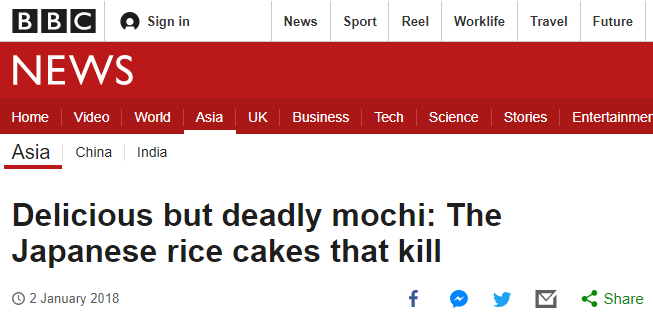
Every January, mochi—the beloved Japanese rice cake that symbolizes hope and resilience—becomes a silent killer. While China welcomes the New Year with dumplings, Japan celebrates with these soft, chewy treats. But beneath this cherished tradition lurks a dark truth: dozens of Japanese citizens die annually from choking on mochi. This sticky delicacy claims more lives in Japan than bears do, yet few understand the physics behind its danger or how to enjoy it safely.
The numbers are staggering. In 2020 alone, Tokyo reported 17 deaths from choking in just the first two days of the year. Another 100 people required emergency services after getting rice cakes stuck in their throats. Among those, 70% suffered severe complications.
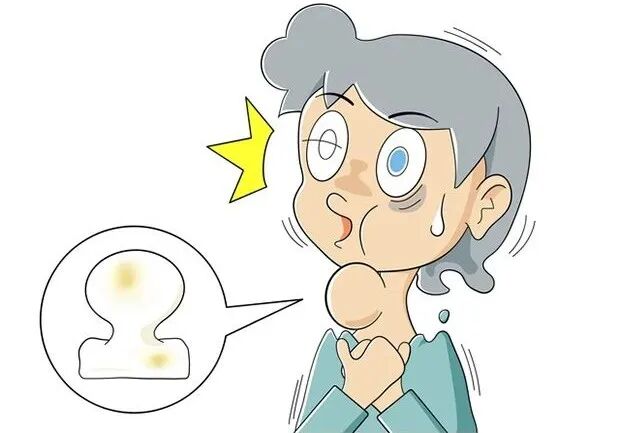
This sticky delicacy kills more people in Japan than bears do. “If you want someone dead, give them this treat,” the dark joke goes. “You know fugu is poisonous, so you avoid it. But these taste delicious and seem harmless—then they kill you.” 
The Physics of a Killer
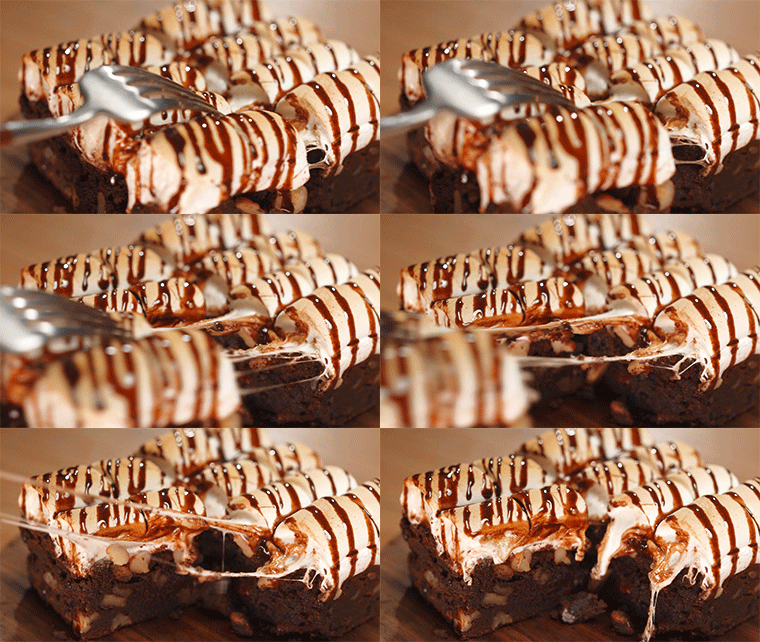
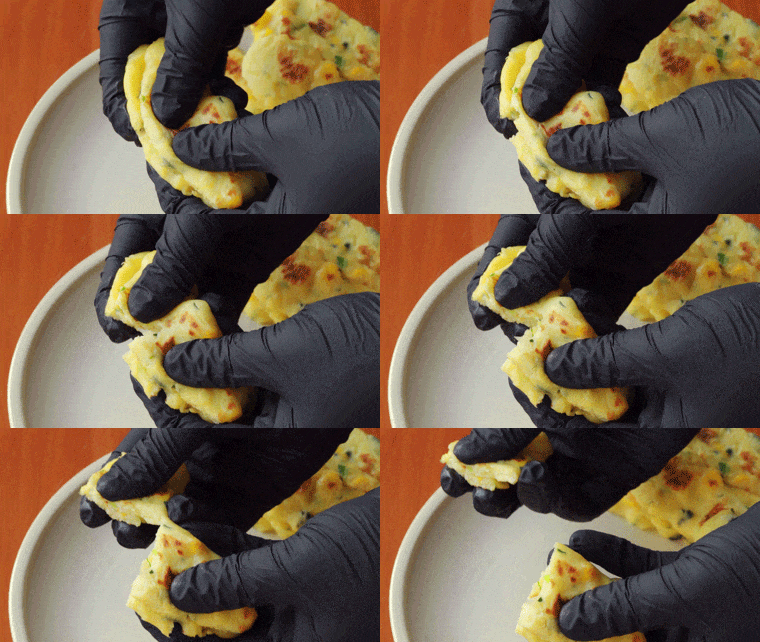
Traditional Japanese rice cakes are made by hand-pounding glutinous rice into a dense, sticky paste. The result is extraordinarily chewy—each piece requiring jaw muscles to work as hard as if performing 20 minutes of calisthenics. When those muscles tire, swallowing becomes the only option.
But this food doesn’t go down easily. It clings, stretches, and resists. Like undercooked fatty meat, it hovers between being chewable and unchewable. And in Japanese culture, spitting it out feels unthinkable—messy, wasteful, disrespectful. So people swallow, sometimes fatally.
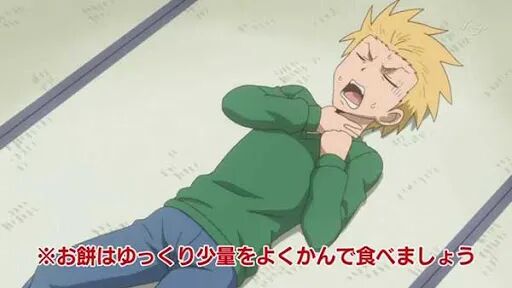
When food blocks the airway, unconsciousness occurs within seconds. Brain death or cardiac arrest follows in just 5-7 minutes. Tokyo’s average ambulance response time? Seven minutes and two seconds. By the time help arrives, it’s often too late.

The Silent Epidemic
More than half of all choking incidents occur in December and January—simply because more people eat this traditional food during the holidays. But the victims aren’t evenly distributed. Nearly 90% are elderly, often living alone.
For seniors, the risks multiply. Aging weakens lips, reduces tongue function, and diminishes the ability to form food into proper boluses for swallowing. Chewing muscles lose strength. Saliva production drops, reducing the enzymes needed to break down starch. This beloved treat becomes a deadly challenge.
One wife described her husband’s collapse: “He suddenly turned pale while eating, fell down, and wouldn’t respond when I called his name.” He remains in intensive care. Before this happened, she thought such deaths were just dramatic comic book plots.

A Preventable Tragedy
Japanese authorities now issue urgent warnings each New Year. Their advice:
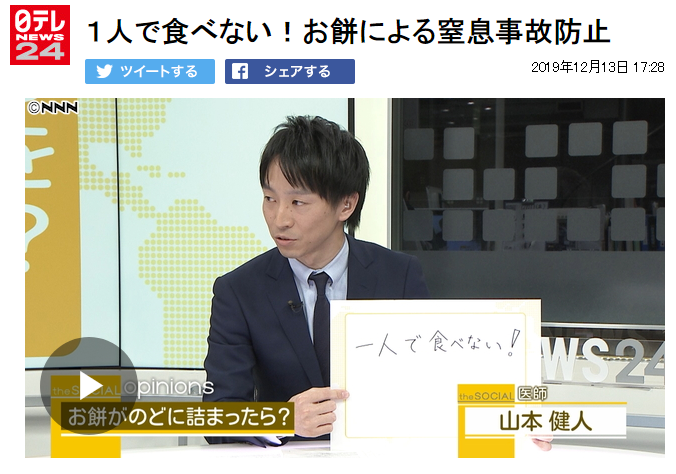
- Don’t eat this food alone
- Consider giving non-food gifts instead to elderly relatives
- Cut it into small, bite-sized pieces
- Chew thoroughly before swallowing
- Avoid it entirely for seniors with swallowing difficulties
Dr. Yoshiaki Yokoyama of Yokohama Aihara Hospital advises immediate action if choking occurs:
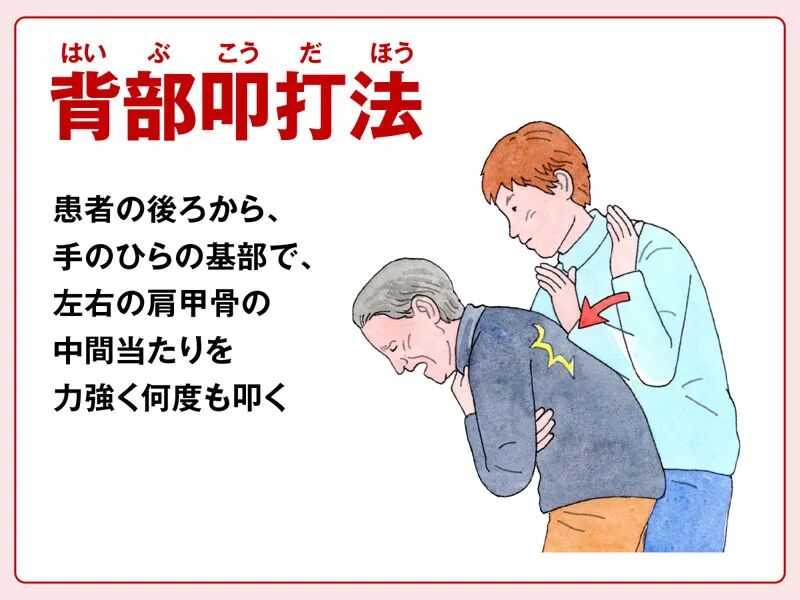
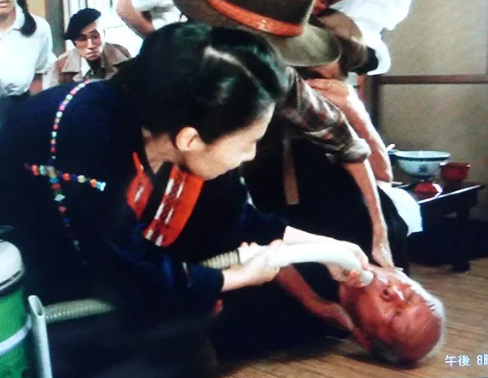
“Use back blows while watching for the food to dislodge. Continue until it clears or the victim stops responding. If it’s stuck, begin CPR immediately. If a vacuum cleaner is nearby, you can try suction therapy.”
The Cultural Paradox
This sticky delicacy embodies a beautiful tradition—handmade with care, symbolizing hope for the new year. Its chewy texture is prized, not problematic. Families gather to share it during Japan’s most important holiday.
But that same tradition carries hidden danger. “The year-end and New Year holidays are precious family time,” officials remind citizens. “Please enjoy them safely with your loved ones. Savor your traditional foods carefully. This is a battle of endurance.”
How to Enjoy This Treat Safely
If you’re celebrating this New Year:
For Everyone:
- Cut it into small cubes, not large slabs
- Take small bites and chew thoroughly
- Drink fluids between pieces
- Never rush—it demands patience
For Seniors and Those with Swallowing Issues:
- Consider specially prepared softer varieties
- Try versions made with added vegetables for different texture
- Avoid it altogether if you have a history of choking
- Never eat it alone
For Caregivers and Family:
- Learn basic choking first aid
- Keep emergency numbers handy
- Supervise elderly relatives while they eat
- Consider alternative New Year treats
The Bottom Line
Mochi kills more Japanese than bears do. That statistic sounds absurd—until you understand the physics of sticky rice cakes and the physiology of aging. This New Year, as families gather to celebrate, remember that tradition and danger sometimes walk hand in hand.
Enjoy your mochi. Savor its meaning, its texture, its connection to generations past. But respect its power. Cut mochi small. Chew mochi well. Watch over your elders while they eat mochi. And if tragedy strikes, act fast.
Because the new year should bring hope—not headlines.