





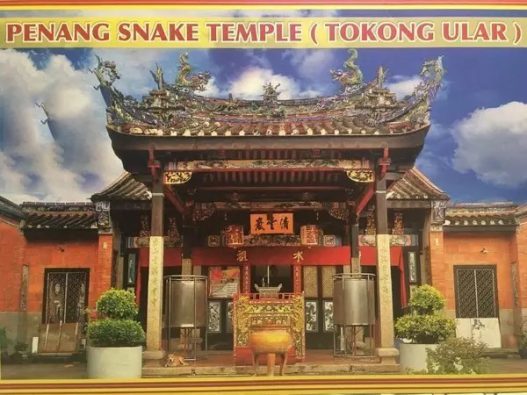
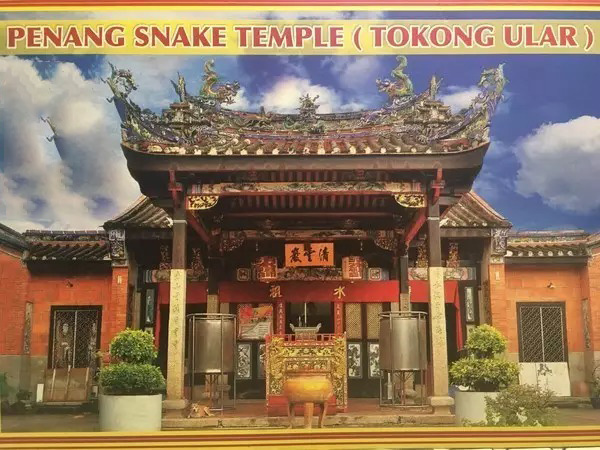
Nestled in the heart of Penang, Malaysia, is a place that’s as mesmerizing as it is terrifying: the Snake Temple. This temple is home to countless venomous snakes, yet visitors are left unharmed. It’s often hailed as a natural wonder, drawing people from all over the world to witness the bizarre harmony between humans and snakes.
A Unique History
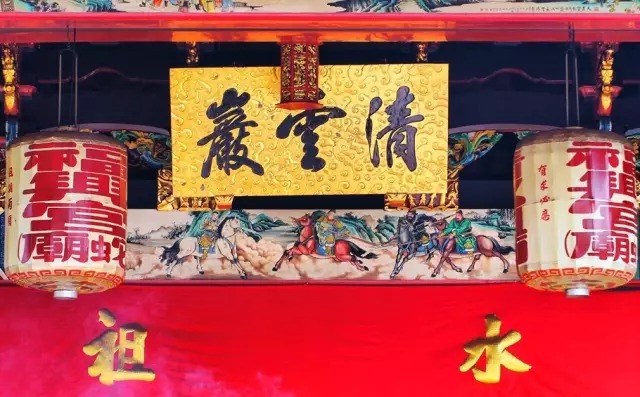
The temple, originally known as the “Clear Water Temple” (Qing Shui Temple) or “Qing Long Temple,” has been around for over a century. Situated 14 kilometers south of Penang, its official name is the “Fu Xing Palace,” and it is dedicated to the worship of Qing Shui Zushi. Qing Shui Zushi was a legendary figure who fought against the Yuan Dynasty during the Song Dynasty and later lived in seclusion in Anxi, Fujian, where he passed away in 1109. The temple was built by the Anxi Chen clan from Fujian, who brought their traditions and practices to Malaysia.
The Snakes of the Temple
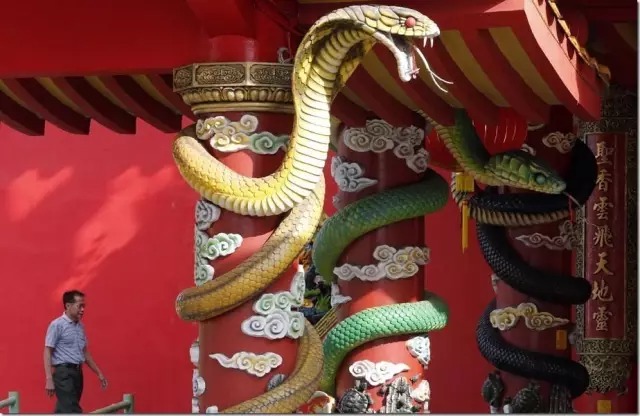
After the temple was built, something extraordinary happened. Snakes, especially green vipers, began to invade the temple, sneaking in to feast on the offerings left by the worshippers. Over time, more and more snakes showed up, some as long as a meter, others as small as earthworms. They can be found coiled around incense altars, candle holders, and even on the beams and columns, creating an eerie yet awe-inspiring sight. 
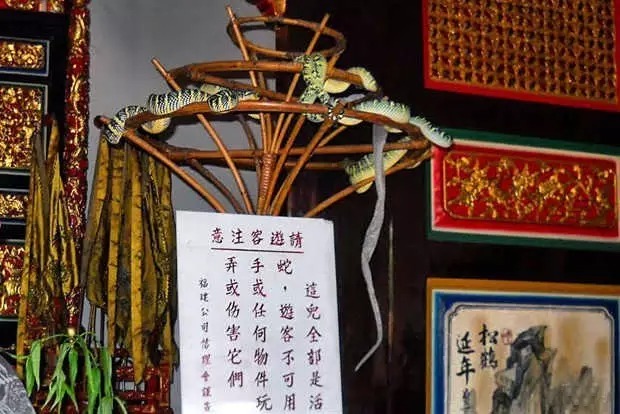
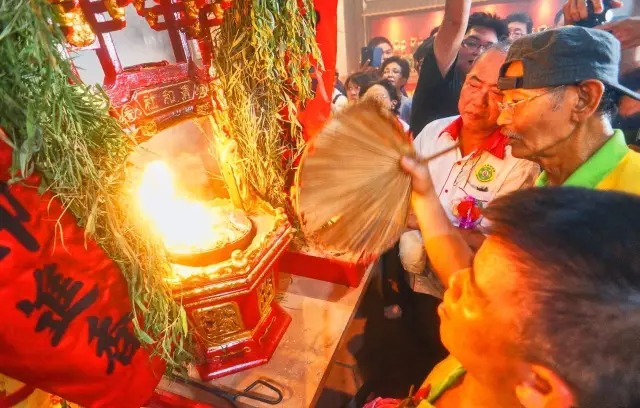
In the main hall, visitors can spot murals depicting famous Chinese legends, like the battle between the three heroes and Lü Bu, and the iconic Oath of the Peach Garden. The snakes, however, are the real attraction. They begin to gather in larger numbers during the festival in honor of Qing Shui Zushi’s birthday. It is said that on this occasion, the snakes slither out from the surrounding forest, creating a spectacle like no other.
The Snake King and the Local Belief
According to local folklore, there is a snake cave at the back of the temple where a “snake king” resides. This figure is believed to be the guardian of all the snakes that inhabit the temple grounds.
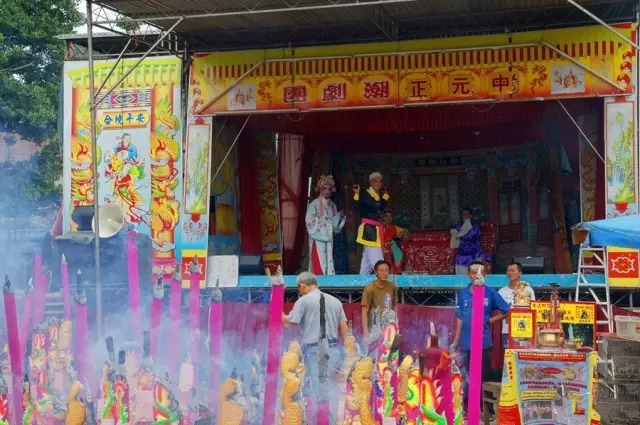
Every year, during the temple’s festivities, the snakes appear in large numbers, with some even lounging near the performance stages, watching the play alongside the visitors. Despite being venomous, the snakes don’t bite, nor do they pose any danger. Once the festivities end, the snakes quietly retreat back into the shadows.
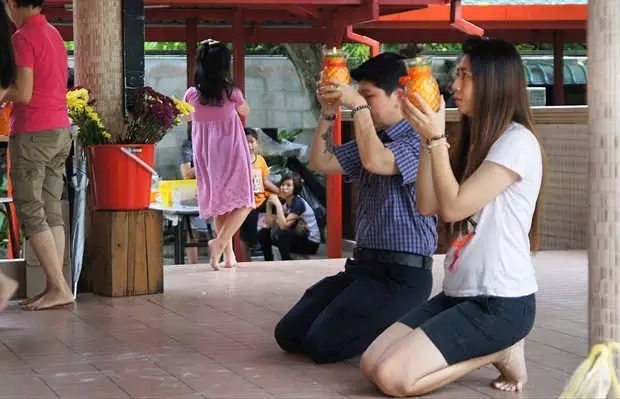
Locals believe that the snakes are spiritually enlightened, or “tamed” by the constant offerings and the incense. However, from a biological standpoint, it is said that these snakes have become domesticated due to the steady food supply and the influence of the temple’s incense, losing their survival instincts in the wild.
Nighttime Feasts
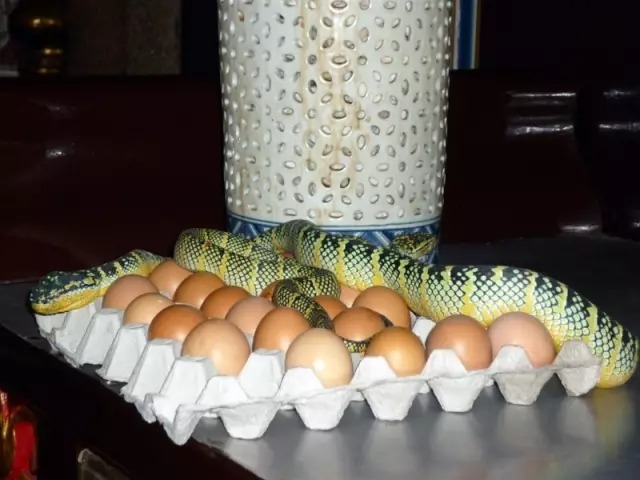
At night, when the temple is quiet, the snakes come to feast on the offerings left by the devotees. Some of these snakes are capable of consuming up to 70 eggs in one sitting.
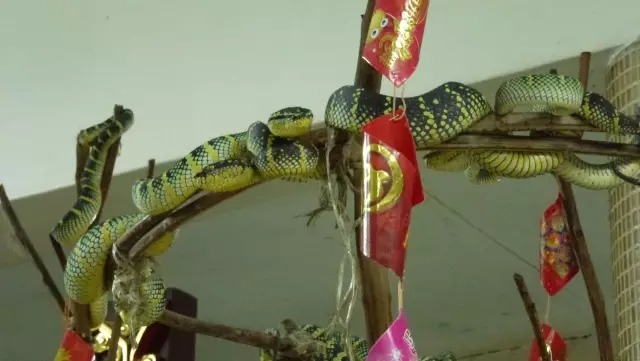
The temple also features a smaller hall where you can find statues of venomous snakes and jars containing medicinal snake wine. The display serves as a reminder of the temple’s deep connection to these creatures.
Temple Rules and Regulations
Visitors to the Snake Temple are required to dress appropriately. Exposing arms, legs, or overly revealing clothing is not allowed, especially for women. This ensures that visitors respect the sanctity of the temple and its spiritual atmosphere.
A Popular Tourist Attraction
Today, the Snake Temple remains one of Malaysia’s top tourist destinations. The constant stream of visitors keeps the temple alive, ensuring that it remains an integral part of Penang’s cultural heritage. Near the temple, local vendors offer visitors a chance to take photographs with large pythons, adding an extra thrill to the experience.

The Snake Temple is not just a place of worship, but a fascinating intersection of nature, folklore, and spirituality.