





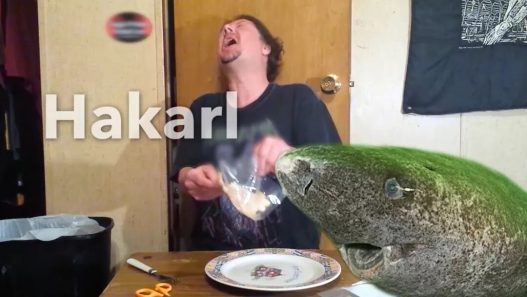
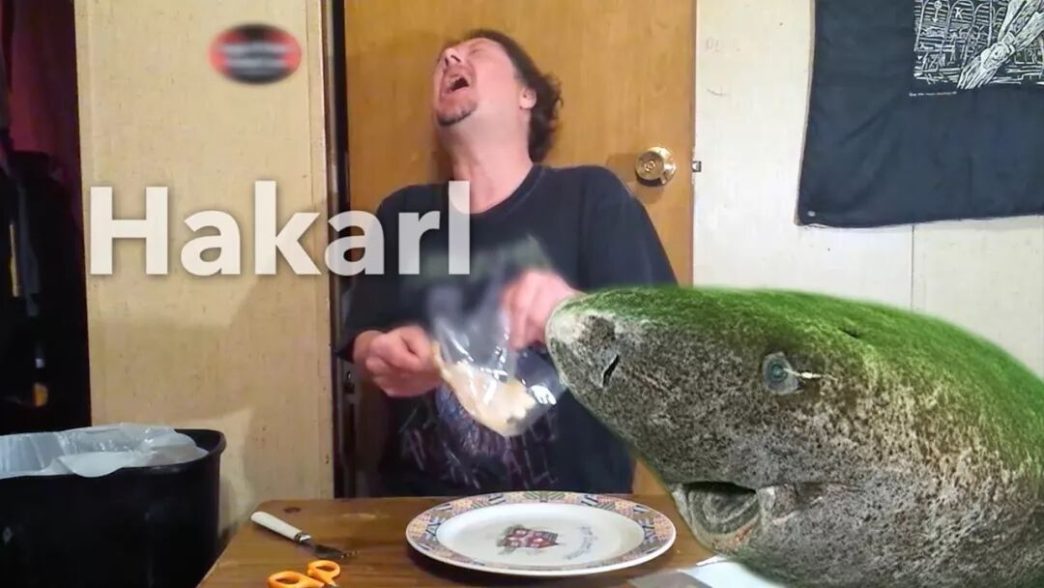
If you ever visit Iceland, do not—under any circumstances—let a well-meaning local convince you to try their “delicacy.” Not even a small piece. One bite, and an overwhelming wave of ammonia will assault every sense you possess.
“I’m convinced this is a prank Icelanders play on tourists,” one visitor said. “‘Try it, it’s really popular, I swear.'”
The Viking Origin Story
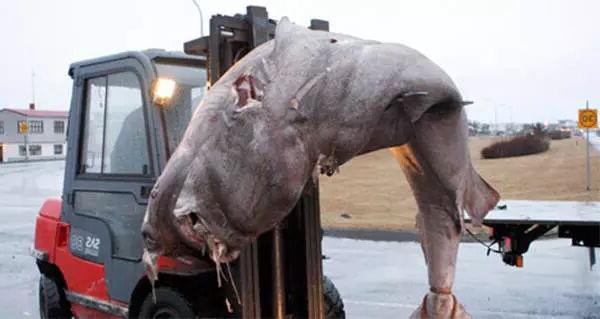
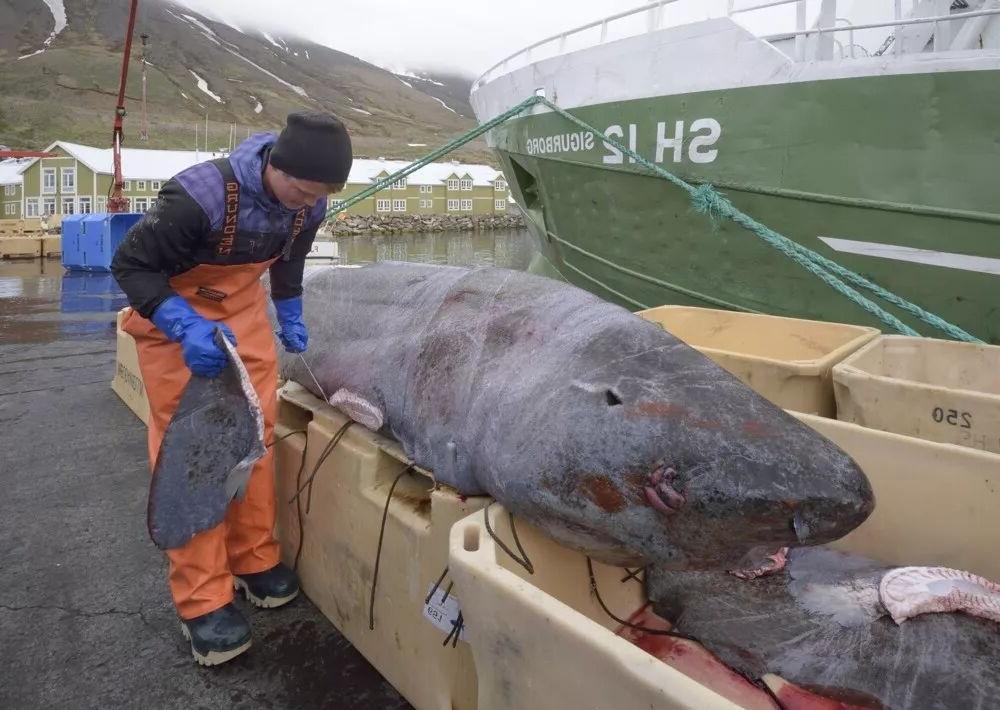
Centuries ago, when Vikings first settled Iceland, they discovered an abundance of Greenland sharks in the frigid North Atlantic. They used the skin for boots, the teeth for knives. But the fresh meat? Inedible. 
Here’s the problem: sharks have no urinary bladder. They expel waste through their skin. When the shark dies, that waste—rich in urea and a neurotoxin called trimethylamine oxide—permeates the flesh. Eat it fresh, and you’re essentially consuming months of built-up urine.
Enter Viking ingenuity.
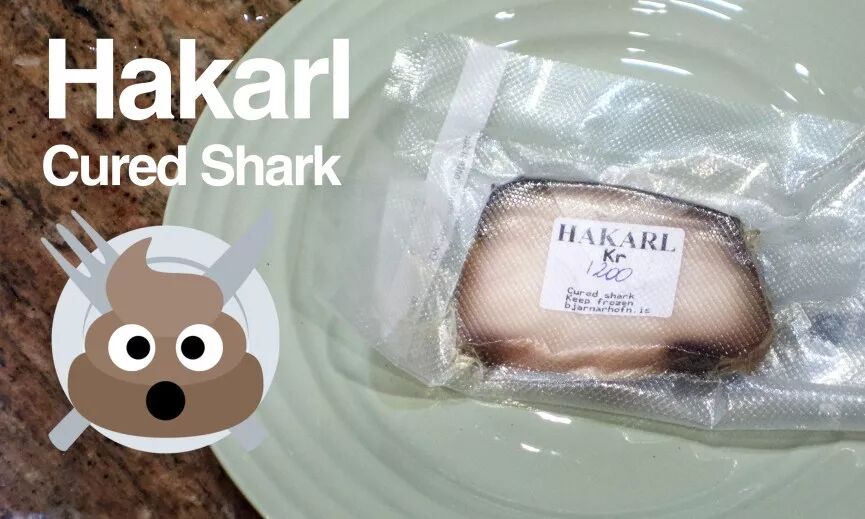
The solution: bury the shark meat in gravel pits for weeks, allowing fluids to drain and the flesh to ferment. Then hang it to dry for months. The result? Hákarl—Iceland’s infamous fermented shark.
The Aroma: A Warning and a Test
Visitors to hákarl production sites rarely forget the experience. The air fills with hydrogen sulfide and ammonia, strong enough to sting eyes and clear sinuses. One visitor described it as “nostalgic—like walking into a college public restroom.”
For Icelanders, the smell signals readiness. “Your nose tells you when it’s ready,” traditional producers explain. “It’s like wine.”
For everyone else, it’s a warning. A challenge. A test of will.
What Does It Taste Like?
Let’s be honest: hákarl tastes exactly like it smells.
Celebrity chef Gordon Ramsay—famous for eating anything—attempted hákarl on his show. He spat it out immediately.
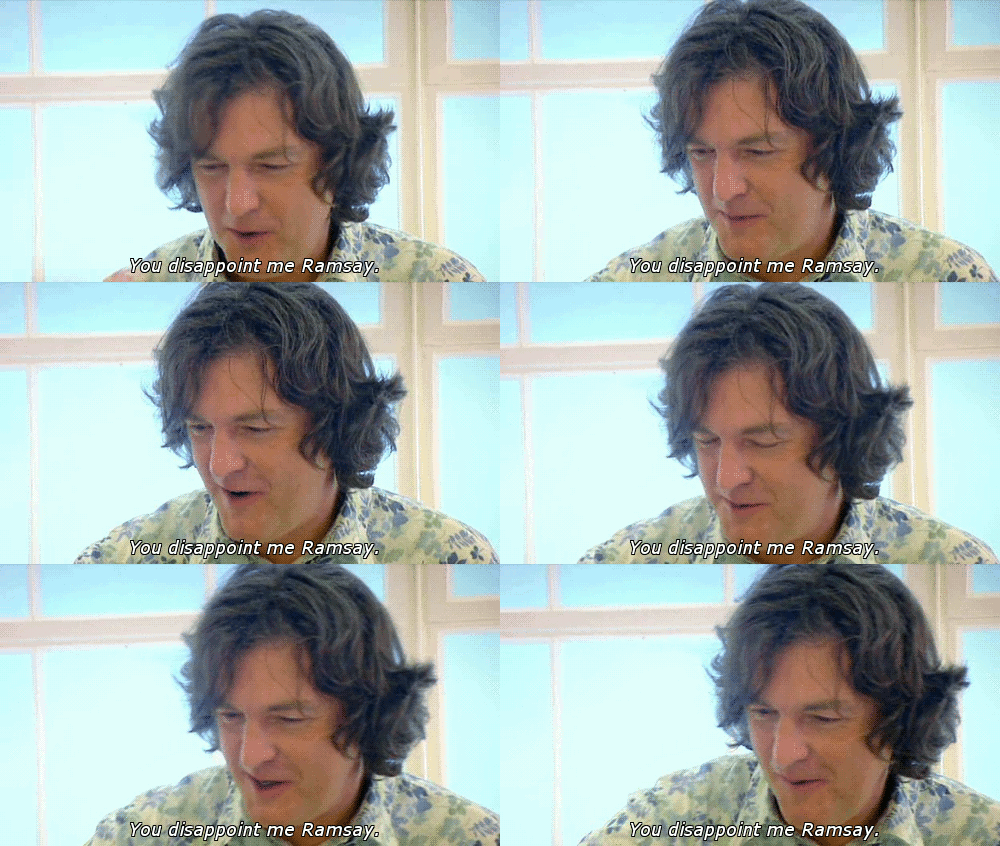
His companion, James May, managed to swallow his piece with the help of wine. He couldn’t resist a smirk: “Ramsay, you’ve let me down.”
Anthony Bourdain, a man who made a career eating the world’s strangest foods, called hákarl “the single worst, most disgusting, most terrible-tasting thing” he ever ate.
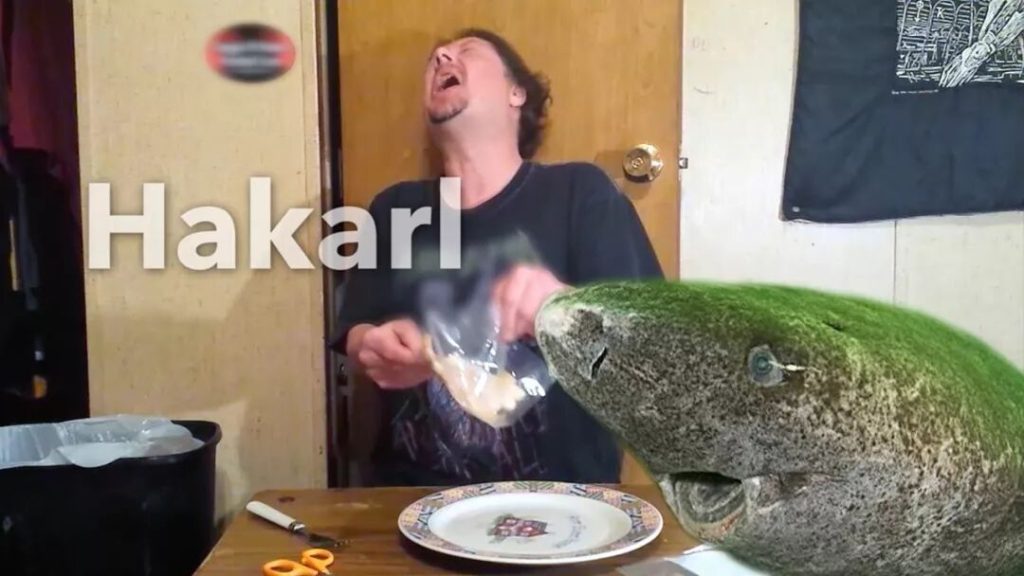
One YouTube reviewer described it with the precision of a trauma survivor: “I didn’t swallow, but my nostrils felt burned. The ammonia filled my head, my soul. I couldn’t escape it. This food is R.I.P.-level.”
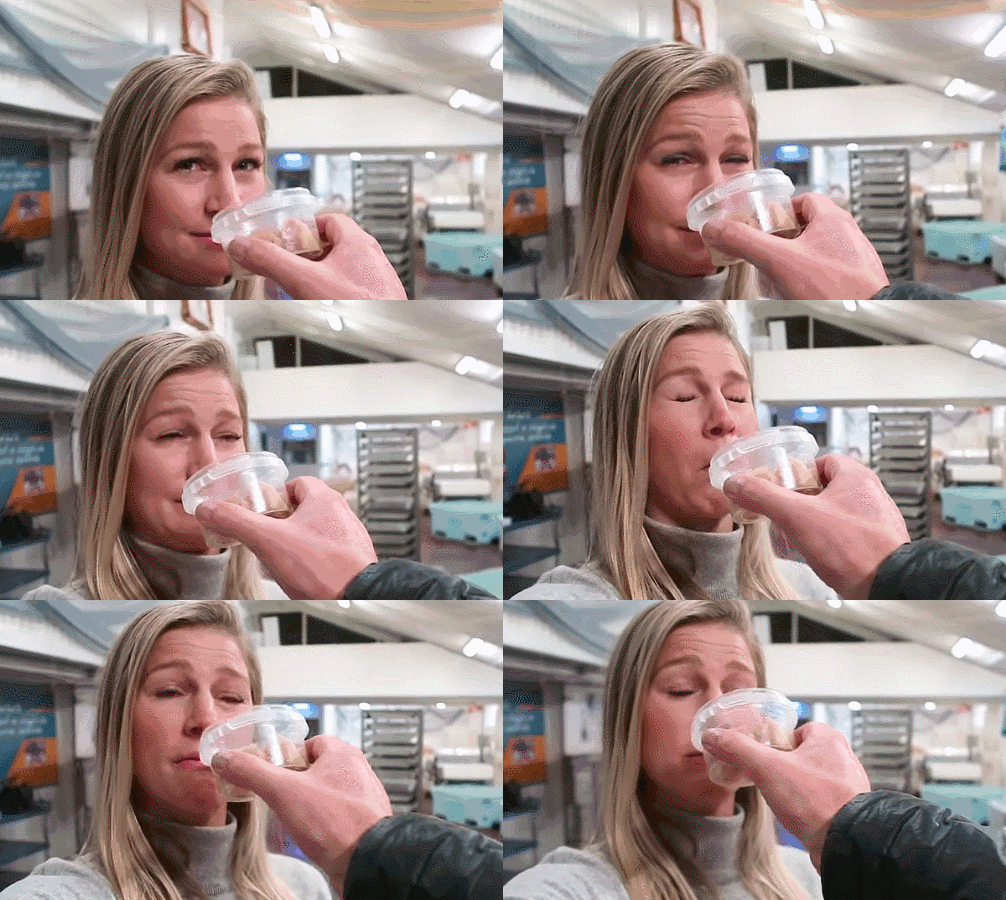
Another said: “Even now, I can’t un-smell it. It was scarring. I wish I’d never tried it.”
Yet another, after cleaning his kitchen with the fan on full blast and lavender air fresheners, reported: “The smell finally disappeared after an hour.”
The Philosophical Question
Beyond the physical experience, hákarl raises deeper questions.
Who was the first person to look at a rotting shark carcass and think, “I should eat that”? Who discovered that burying it in the ground for three months made it safe? Who tasted that first bite and decided to keep going?
The same question applies to durian. To cheese. To any fermented food that requires faith, experimentation, and desperation.
Samuel West, curator of the Disgusting Food Museum, ranks hákarl above Swedish surströmming in terms of pure unpleasantness. His description: “Like chewing on a urine-soaked mattress.”
Why Icelanders Still Eat It
Despite the horror stories, hákarl remains a point of Icelandic pride. It’s not everyday food—it’s heritage. Children sometimes taste it on their birthdays, part of becoming a “real Icelander.” Men prove their fortitude by swallowing a piece. Families share it during holidays like Þorrablót, the midwinter festival honoring old Norse traditions.
For Icelanders, hákarl isn’t about taste. It’s about connection to ancestors who survived on these shores with nothing but their wits and whatever the sea provided. It’s about understanding, viscerally, what it took to live here.
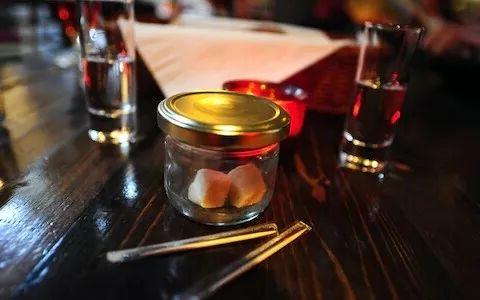
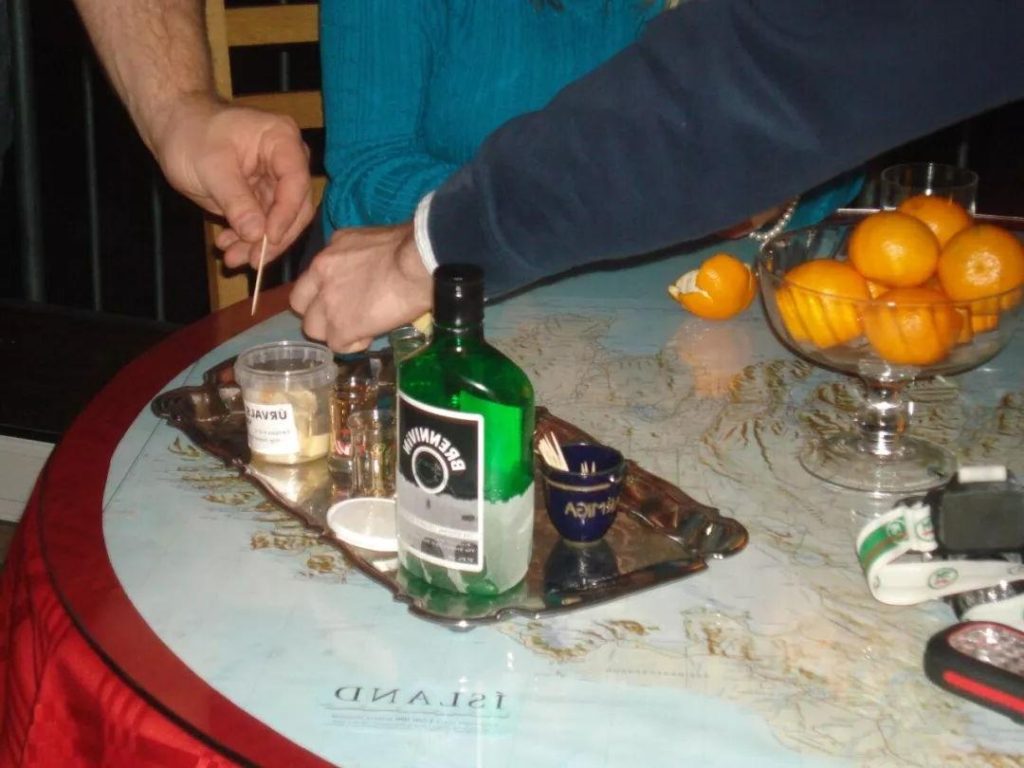
Even locals don’t eat it alone. They chase it with brennivín—Iceland’s signature schnapps, nicknamed “Black Death.” The combination, they say, makes it bearable.
The Price of Tradition
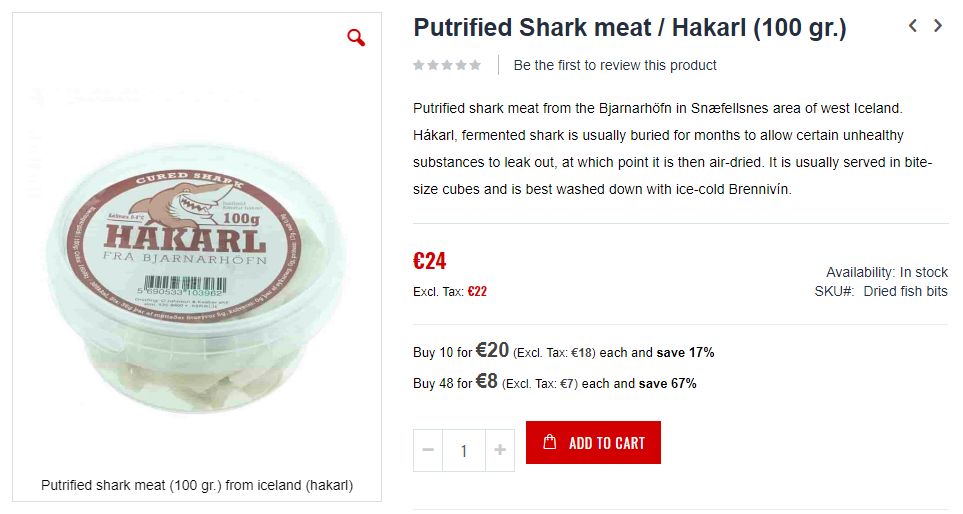
Authentic hákarl isn’t cheap. Small packages sell for around €24 per 100 grams. It’s a delicacy, served in modest portions, commanding respect.
Maybe that’s the point. You don’t just buy hákarl. You earn it. You pay for the months of preparation, the generations of knowledge, the endurance required to eat it.
Would You Try It?
If you visit Iceland, someone will offer you hákarl. They’ll smile. They’ll say it’s delicious. They might even call it a rite of passage.
Now you know the truth.
It tastes like ammonia and urine. It smells like a public restroom. It has made world-famous chefs gag on camera.
But it also represents something profound: a culture that turned survival into tradition, that found a way to eat what the sea gave them, that honors its past with every fermented bite.
So, will you try it?
Some people travel for beauty. Others travel for truth. Hákarl offers both—in the most unforgettable way possible.