





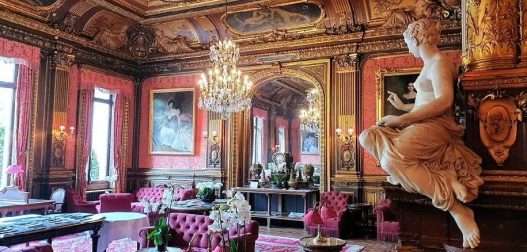
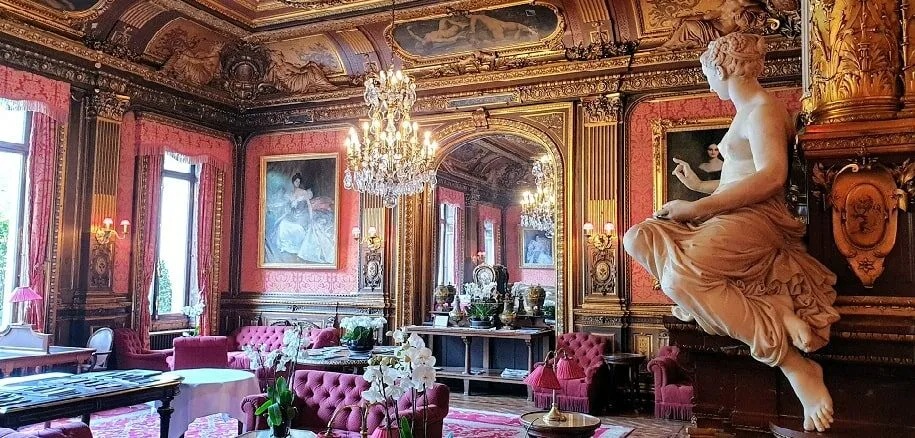
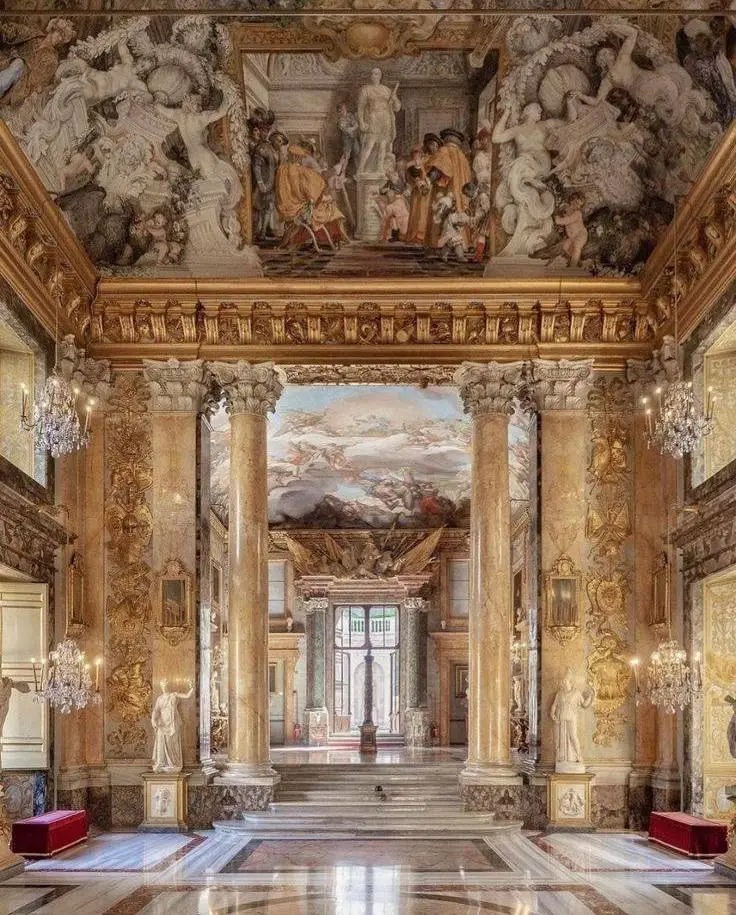
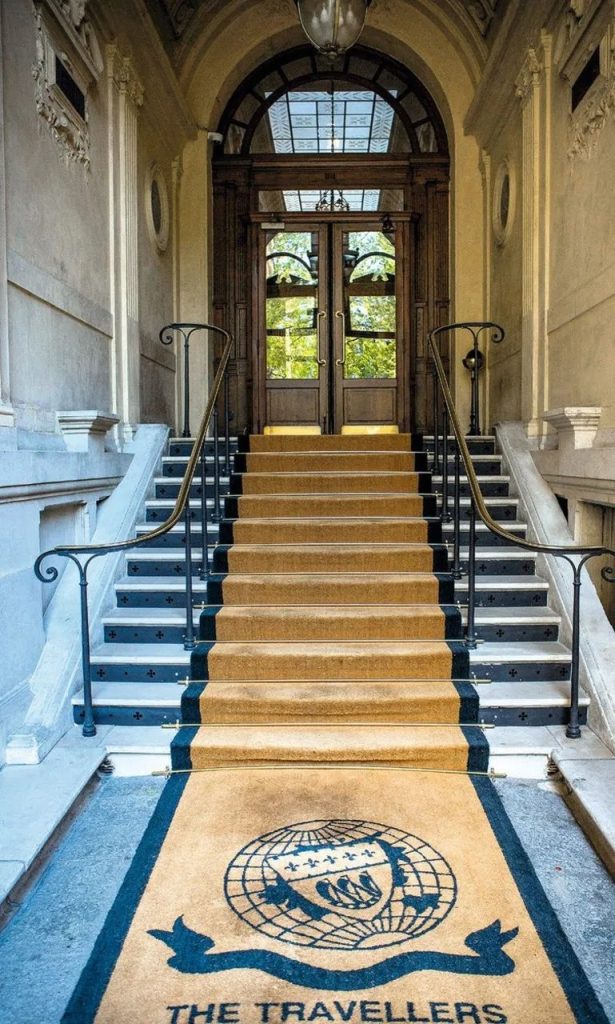
On the bustling Champs-Élysées, most people pass by number 25 without a second glance. Behind a quiet wooden door lies one of Paris’s best-kept secrets: Hôtel de la Païva.
Hidden from the crowds for over a century, this mansion feels like a preserved dream—filled with sky-blue frescoes, tropical details, and extravagant materials. If one place could capture the bold, unapologetic beauty of an economic boom era, this would be it.
From Humiliation to Unmatched Opulence
The story of this mansion begins with a moment of public humiliation. 
A Promise Made in the Mud
Legend says that a young and struggling La Païva was once thrown from a carriage onto the muddy streets of the Champs-Élysées. In that moment, she made a vow: one day, she would build the most extraordinary house in Paris on that very spot.

Through years of ambition, strategy, and social climbing, she transformed herself from an outsider into a powerful aristocrat. Nearly two decades later, she returned to number 25—not as a victim, but as the owner of a dream realized.
An 11-Year Masterpiece Built Without Limits
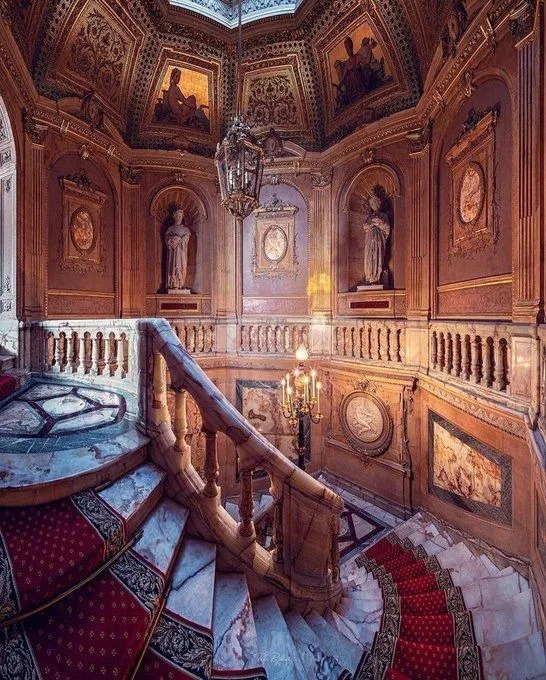
La Païva spared no expense in creating her vision. Over 11 years, she worked with the finest artisans and imported tons of rare materials, including translucent agate from Algeria.
A House Made of Light and Stone
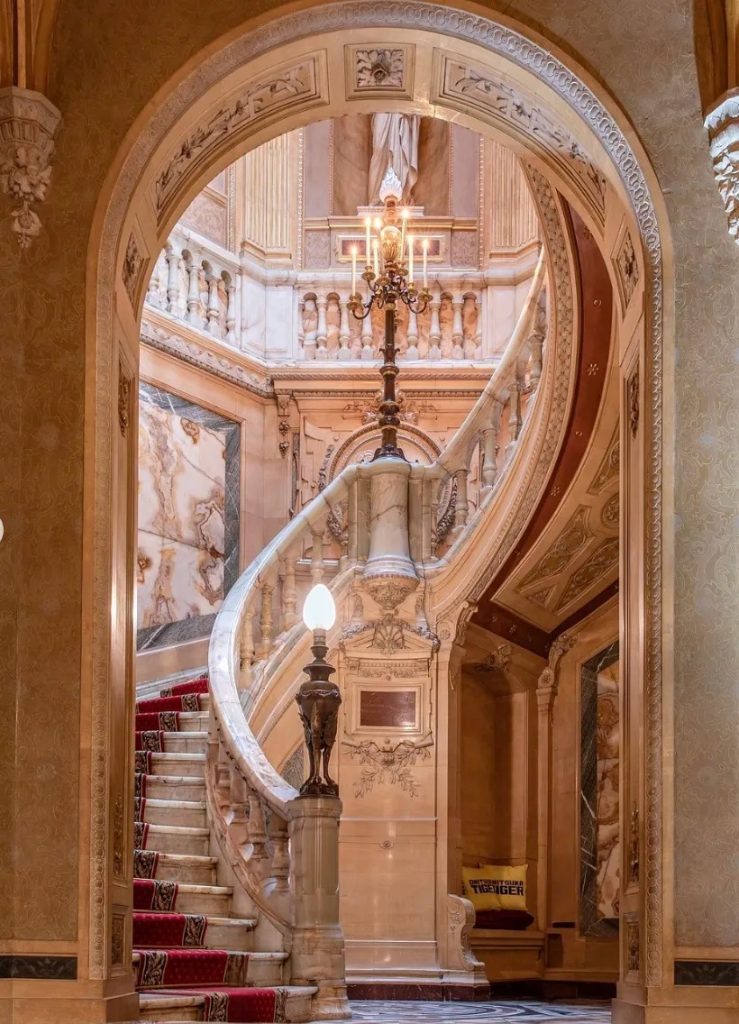
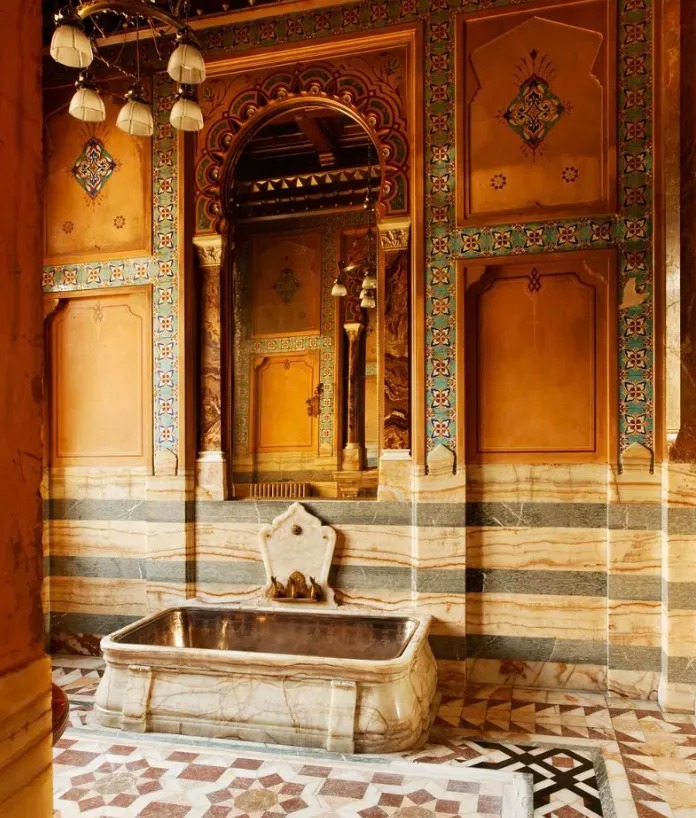
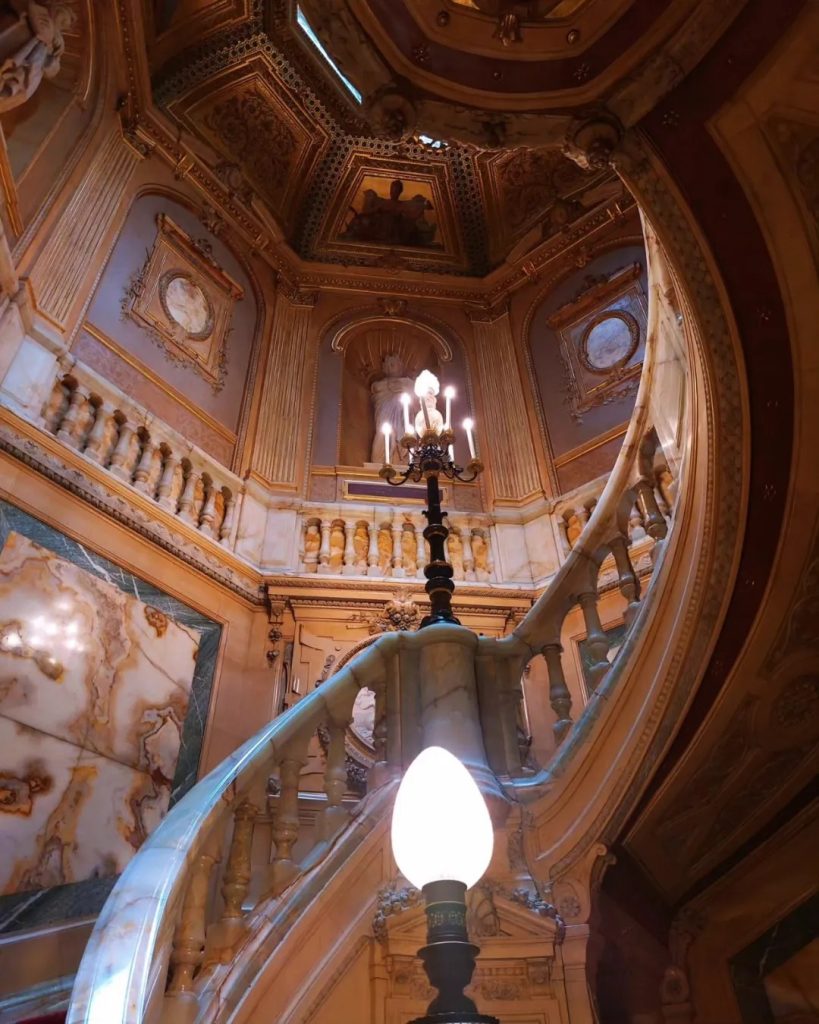
The mansion’s centerpiece is its famous staircase, crafted from glowing agate stone that seems to radiate warmth under soft lighting. She even commissioned a massive bathtub carved from a single block of agate, weighing over 1.5 tons.
Rumor has it the bathroom featured three taps: hot water, cold water—and champagne.
This wasn’t just decoration; it was a statement. Every detail reflected her determination to rewrite her destiny and challenge the rigid social hierarchy of her time.
A Permanent Summer in the Heart of Paris
Inside the mansion, La Païva created a world untouched by reality.
Where Seasons Disappear
Even during Paris’s gray winters, the interiors feel bright and alive. Ceiling frescoes depict endless blue skies and flying birds, while natural light pours in through glass ceilings, blending indoor and outdoor spaces seamlessly.
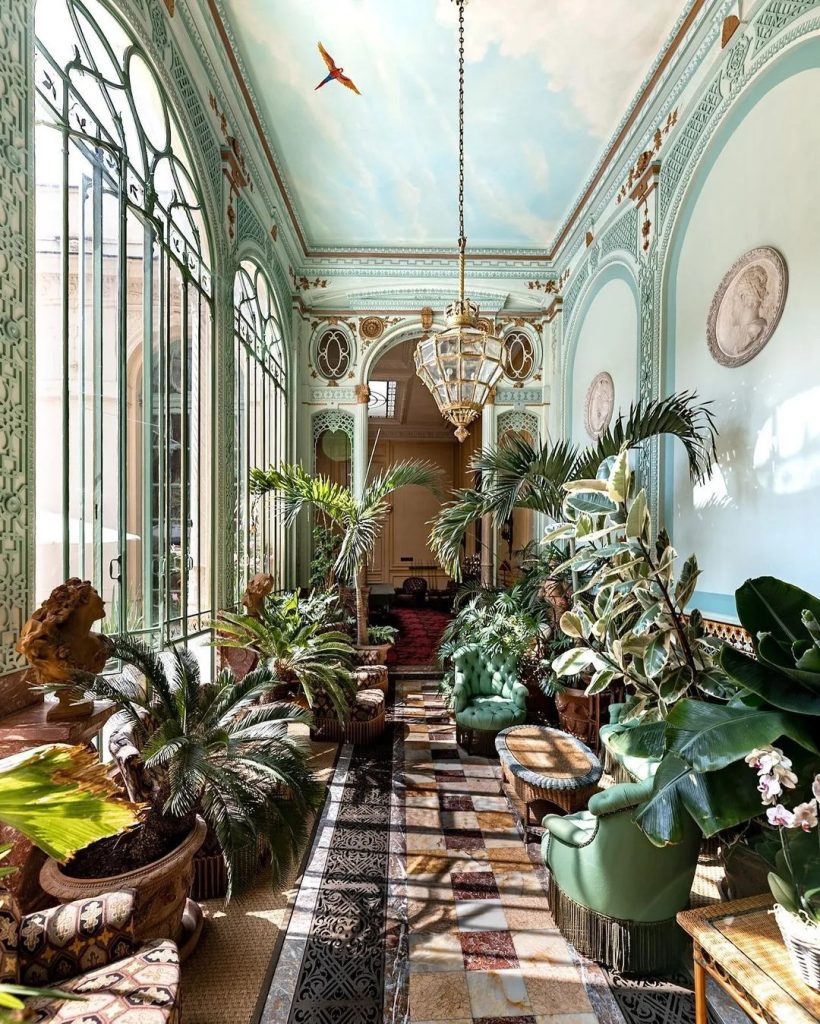
Sit here for a moment, and you might forget you’re in one of the busiest streets in the world. It feels more like stepping into a timeless golden age.
A Private Club Frozen in Time
After La Païva’s death in 1903, the mansion was acquired by the Travellers Club, an exclusive society originally founded by British gentlemen.
A Hidden World That Survived History
For over a century, the club has quietly preserved the mansion. Unlike the Louvre Museum or the Palace of Versailles, it remains largely inaccessible to the public.
This privacy helped it survive both World Wars and avoid the pressures of modern commercialization. Today, it stands not just as a building, but as a living record of Parisian high society.
How to Visit This Hidden Gem
Although still a private club, Hôtel de la Païva is not entirely off-limits.
Guided Cultural Tours
Small, professionally organized tours are occasionally available, usually on weekends. Group sizes are limited (often around 15 people), so booking at least a month in advance is highly recommended.
European Heritage Days
During European Heritage Days, held every September, the mansion sometimes opens its doors to the public. Entry is free, but expect crowds—this is not the best time if you’re hoping for quiet photos.
Why It’s Worth Discovering
Hôtel de la Païva is more than just a luxurious mansion. It’s:
- A story of ambition and transformation
- A showcase of fearless, extravagant design
- A rare glimpse into Paris’s aristocratic past
If you’re looking for something beyond the typical tourist experience, this hidden palace might just be the most unforgettable place in Paris.