





When most travelers think of Rome, they picture the crowded halls of the Vatican Museums. But tucked away from the chaos lies a true hidden treasure: Palazzo Colonna.
Unlike Rome’s packed landmarks, this palace feels exclusive and serene. It’s only open to visitors on Friday and Saturday mornings—not out of mystery, but because it remains a private residence of the historic Colonna family, whose descendants still live upstairs today.
The Legacy of the Colonna Family
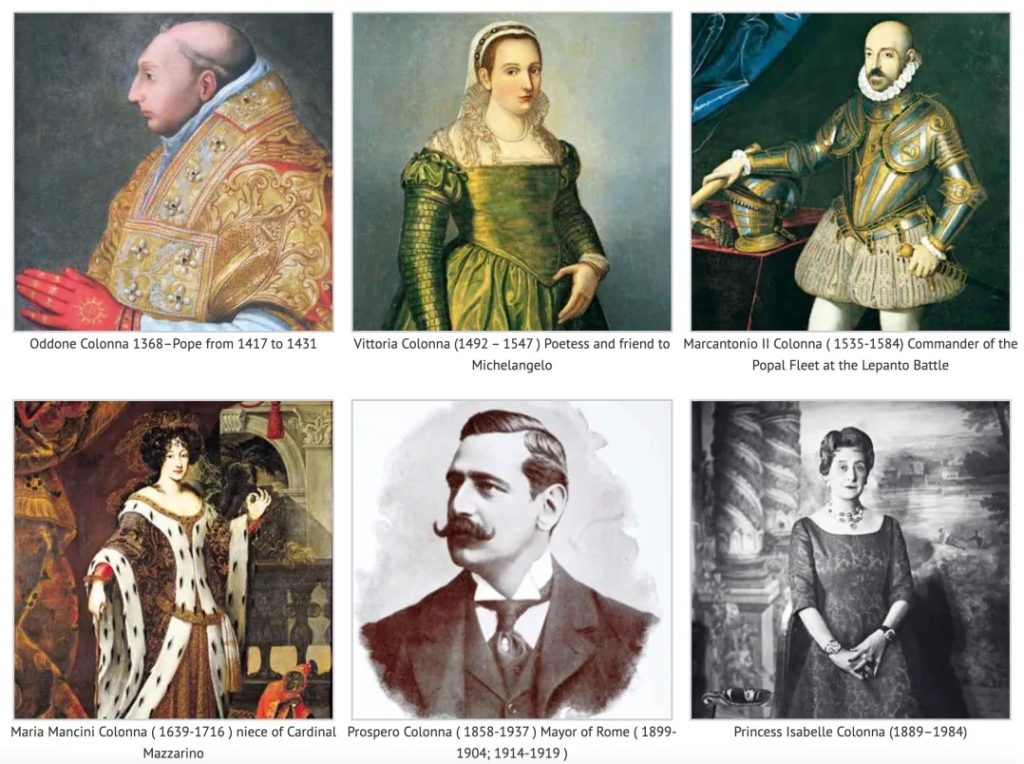
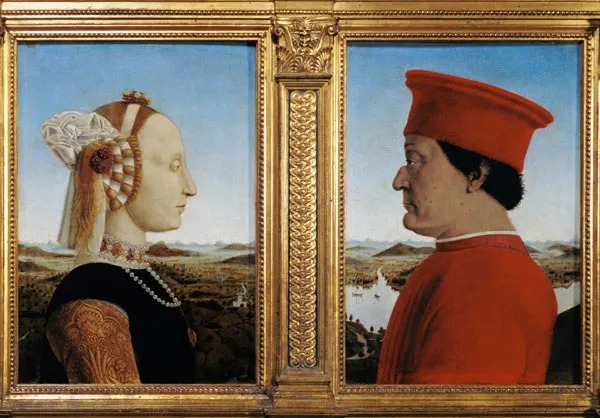
In Rome, the name “Colonna” carries centuries of influence. Art lovers may recognize Federico da Montefeltro, the famous “profile duke” often seen in museum souvenirs. He was the grandfather of Vittoria Colonna, one of the most remarkable women of the Renaissance. 
A Woman Ahead of Her Time
Vittoria inherited a powerful intellectual legacy. Her family valued education deeply—her mother could read Latin fluently at just four years old. This rare level of cultivation gave Vittoria a depth of thought uncommon for women of her era.
Michelangelo’s Quiet Devotion
The legendary artist Michelangelo was known for his intense personality—withdrawn, temperamental, and fiercely independent. Yet in his later years, he revealed a softer side through his bond with Vittoria Colonna.
A Connection Beyond Romance
Their relationship was not a conventional love story, but a meeting of minds and souls. Michelangelo wrote numerous sonnets inspired by her. When Vittoria passed away, he stayed by her side until the end. It is said his greatest regret was that he only kissed her hand, not her face.
This emotional undercurrent adds warmth to the palace—a human story hidden beneath layers of gold and power.
A Family That Survived Centuries
The Colonna family endured exile, political turmoil, and confiscated wealth—yet always managed to rise again. Over nine centuries, they became key players in shaping Roman politics and patrons of bold artists like Gian Lorenzo Bernini and Caravaggio.
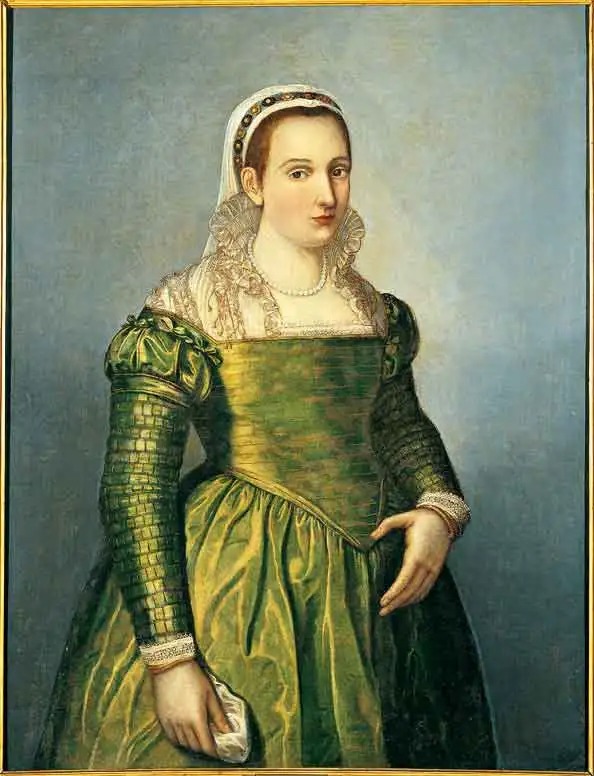
Their palace stands today as a rare historical constant—never sold, never abandoned, and never forgotten.
A Palace That Tells Rome’s Story
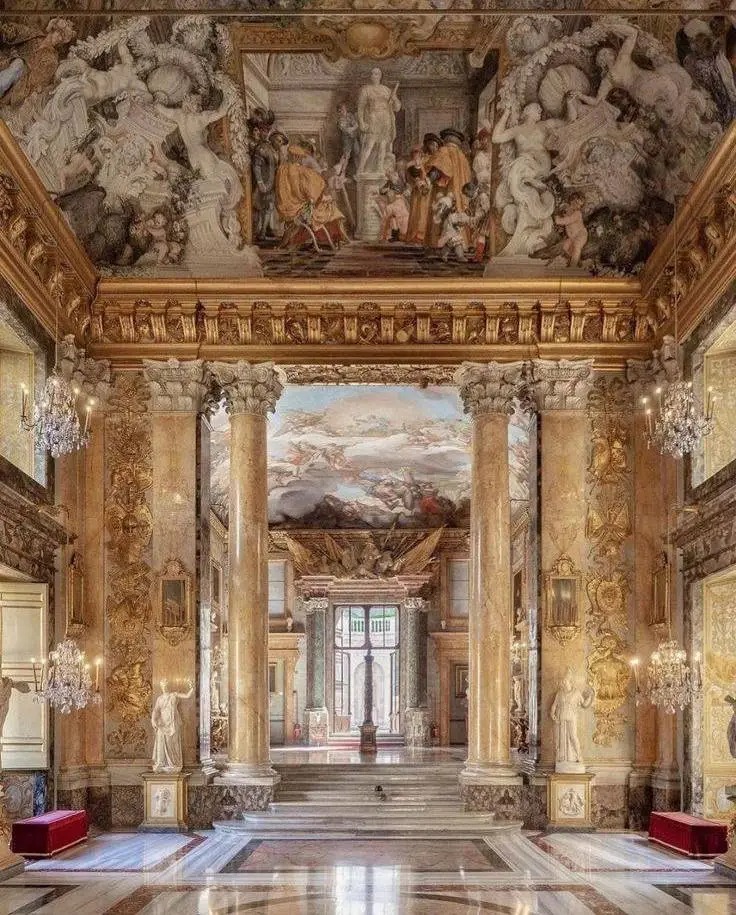
The architecture of Palazzo Colonna reflects centuries of change. Built over five hundred years, it evolved from a medieval fortress into a Renaissance residence, and finally into a masterpiece of Baroque architecture.
A Cannonball Frozen in Time
One of the most striking details is a real cannonball embedded in a marble staircase. It dates back to 1849, during the defense of the Roman Republic (1849), when French forces bombarded the city.
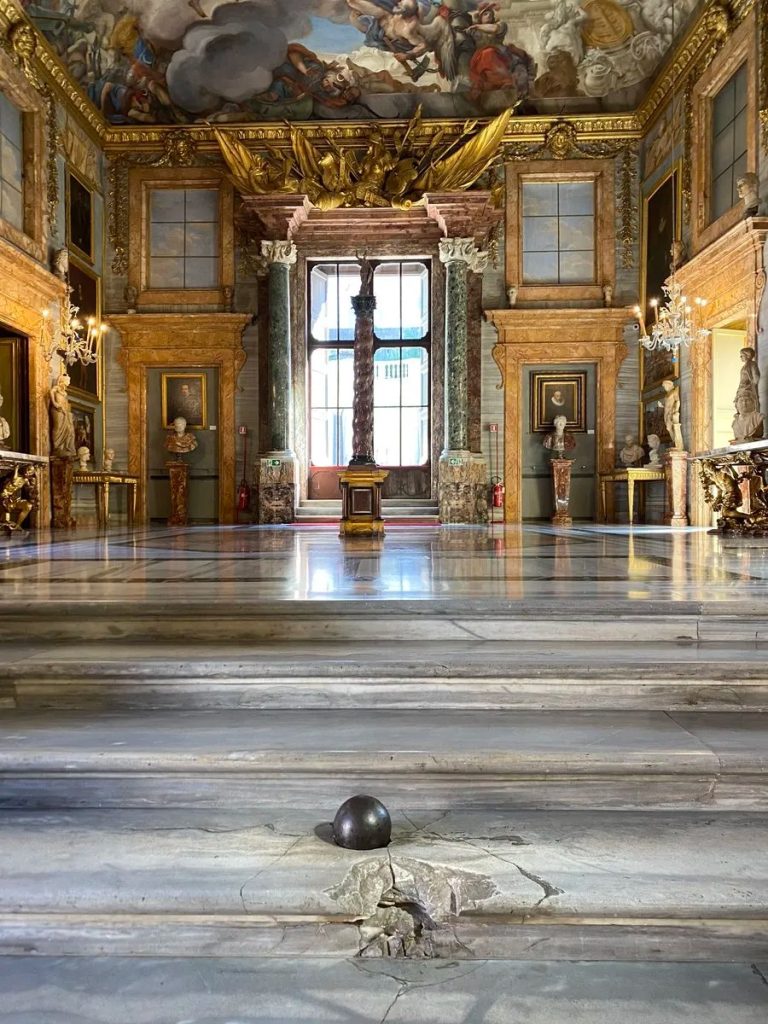
Instead of removing it, the family kept it as part of the palace—a powerful reminder that while regimes change, their legacy endures.
Must-See Highlights Inside the Palace
The Colonna Gallery
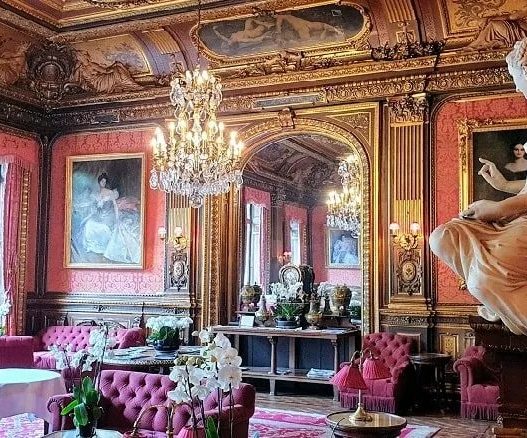
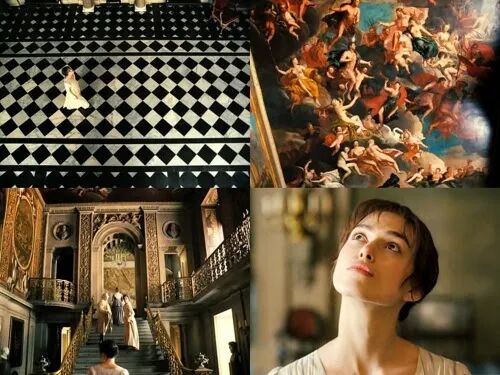
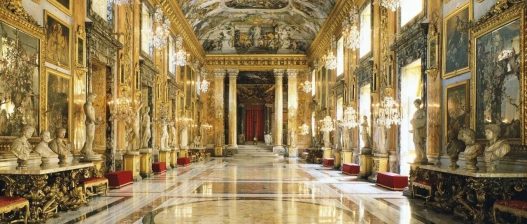
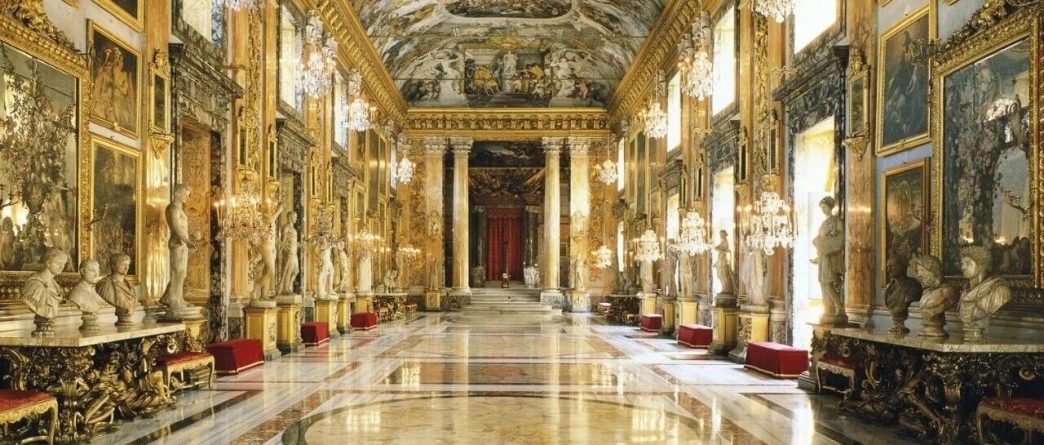
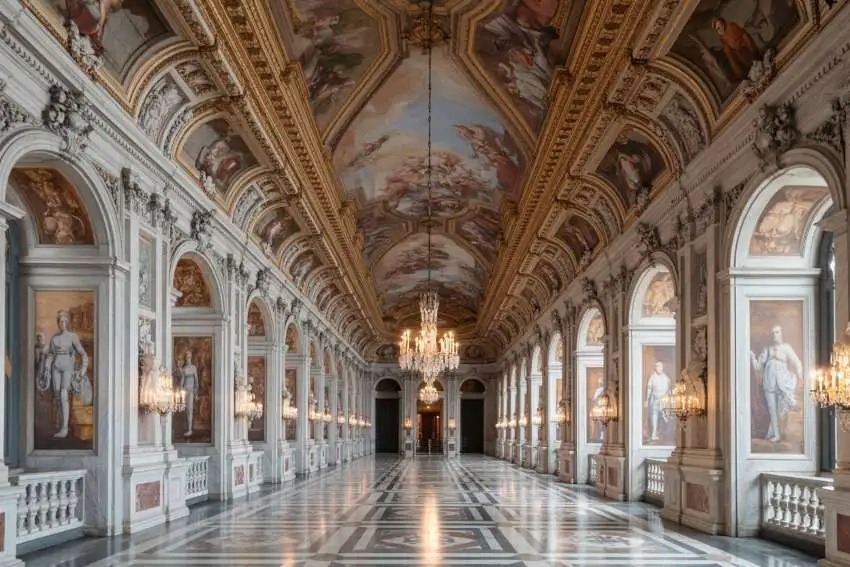
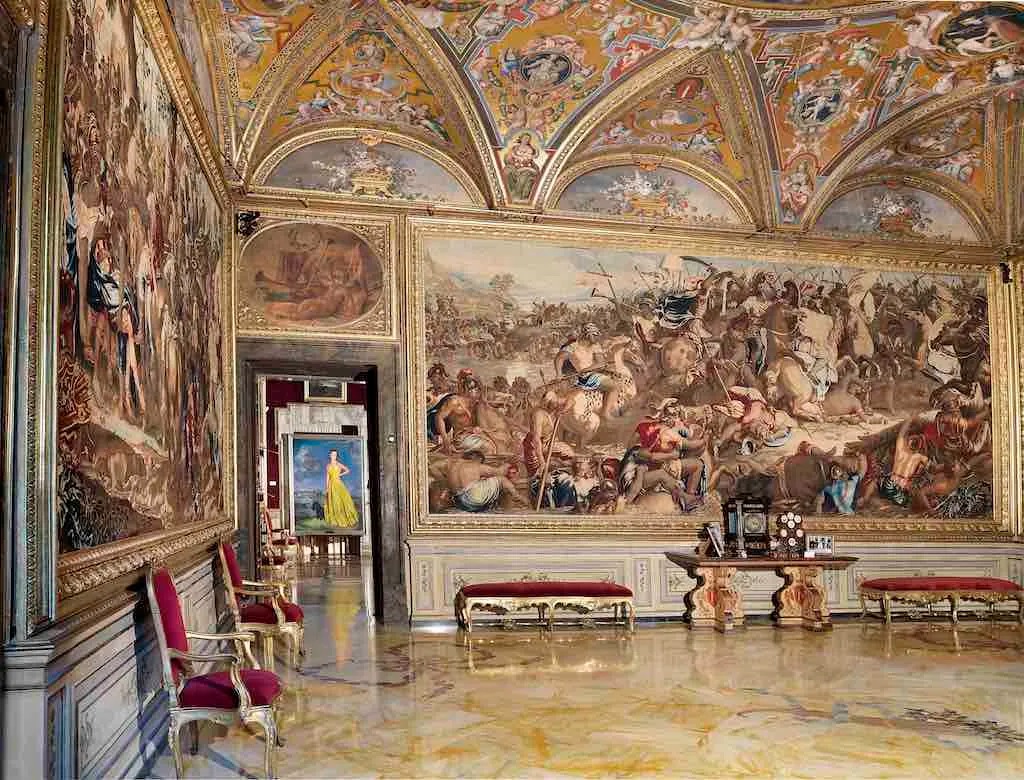
The palace’s crown jewel is the breathtaking gallery hall, stretching 76 meters in length. Covered in gold leaf and marble, it rivals the grandeur of the Hall of Mirrors at Versailles.
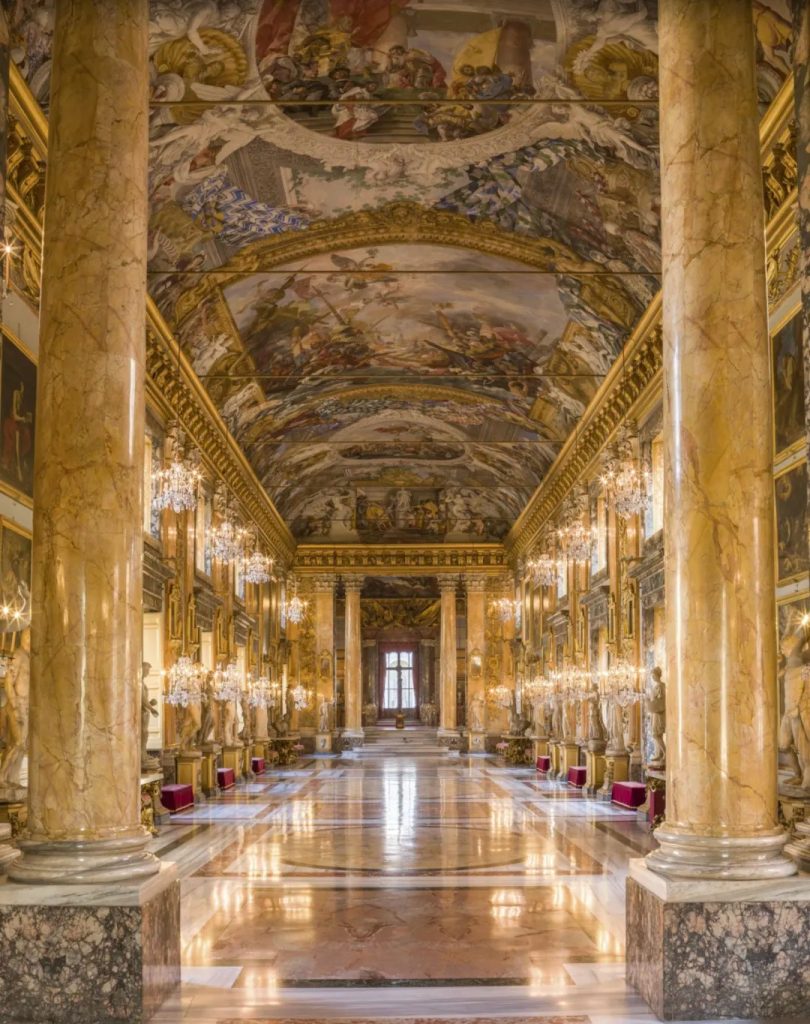
Look up to see a massive fresco celebrating Marcantonio Colonna’s victory at the Battle of Lepanto.
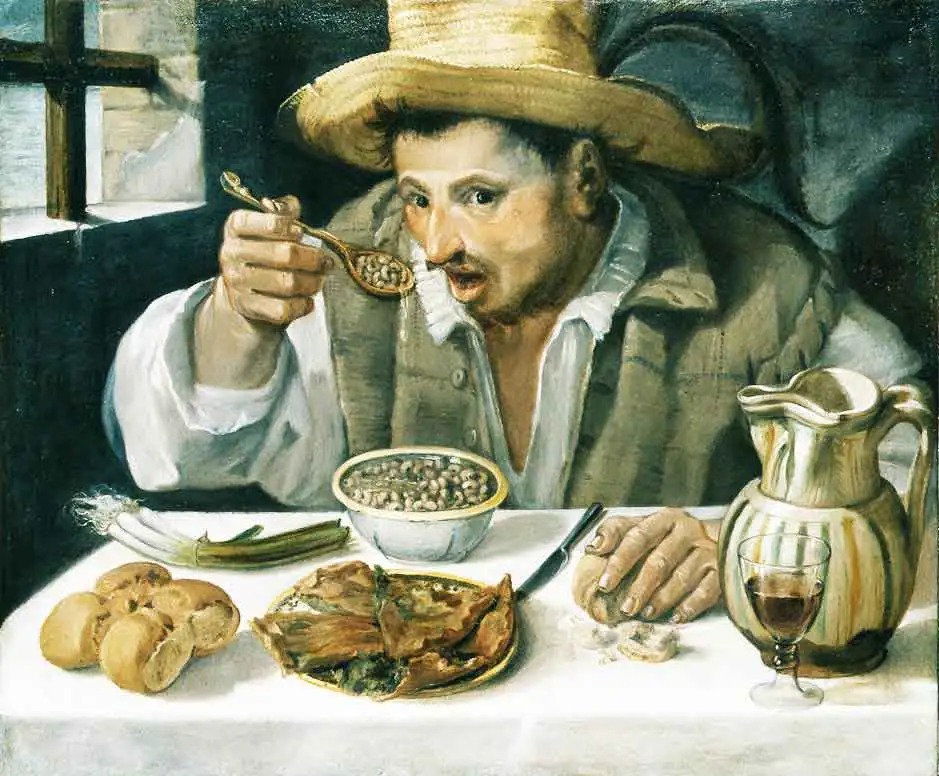
The walls are filled with masterpieces collected over centuries, including works by Annibale Carracci, Tintoretto, and Guercino.
Princess Isabella’s Apartment
In contrast to the grand gallery, this space feels intimate and personal. It once belonged to Isabella Colonna, a central figure in Rome’s 20th-century social scene.
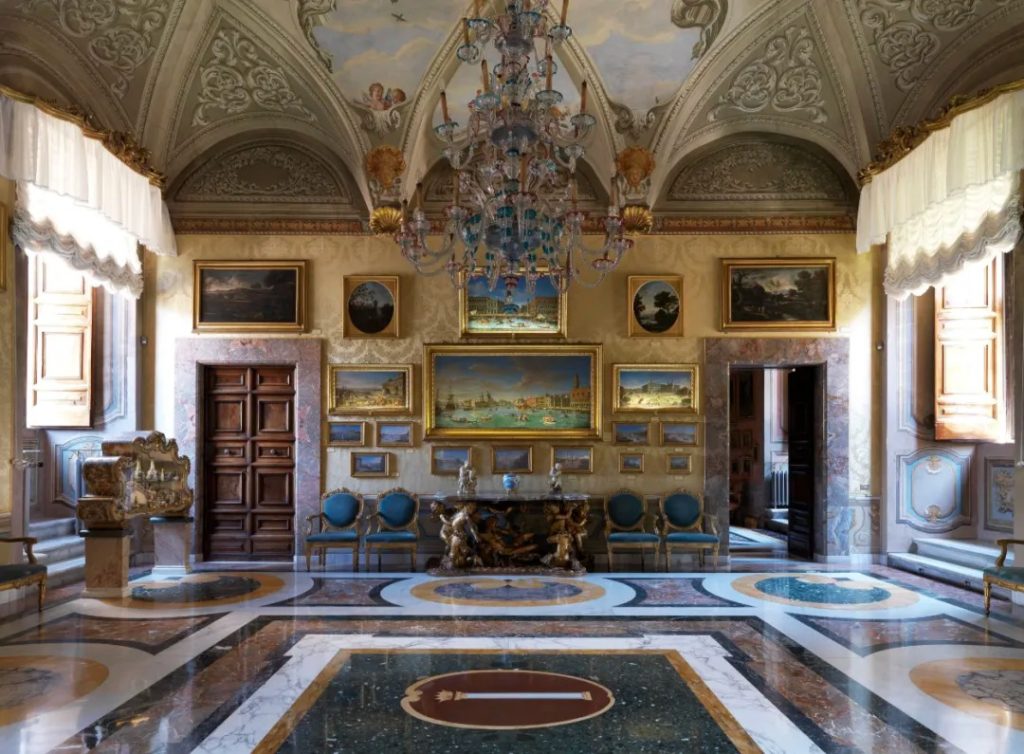
The rooms remain preserved as they were, filled with elegant details—fine tapestries, crystal chandeliers, and delicate artworks by Pieter Bruegel the Elder and the Brueghel family.
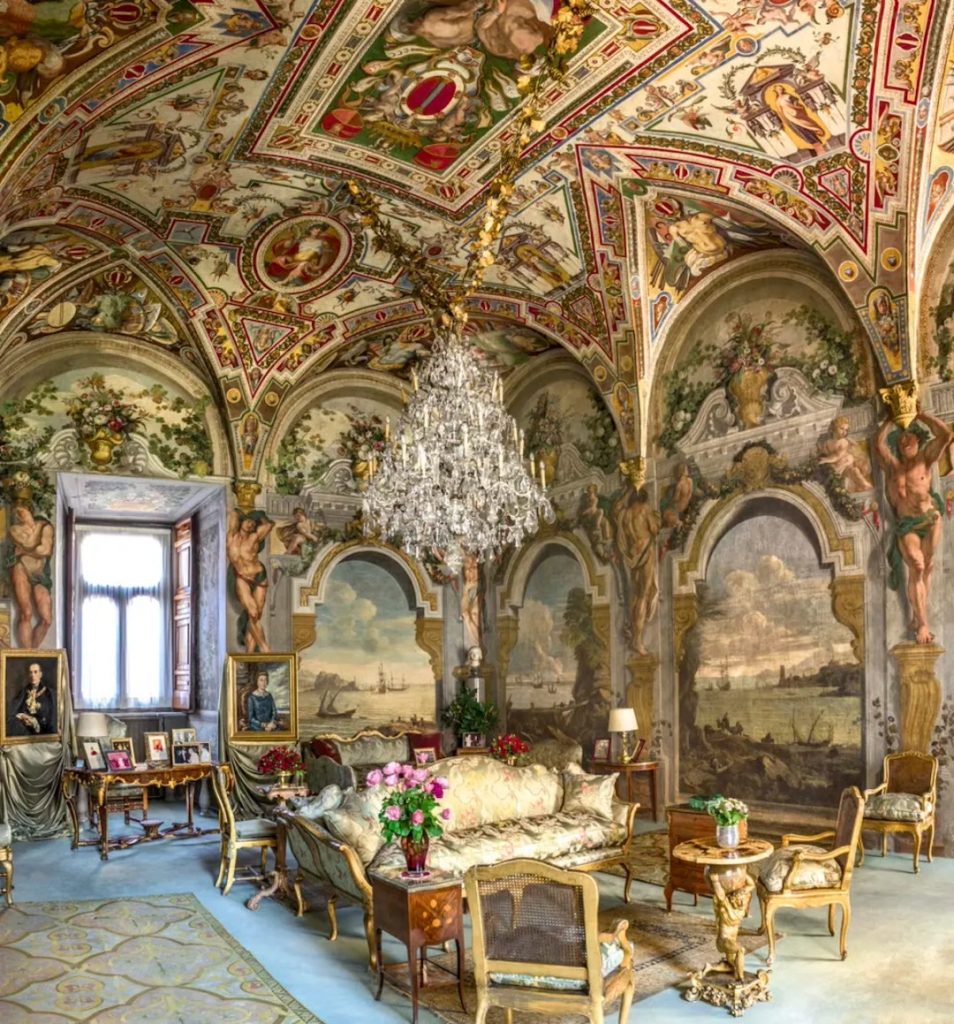
The Pius Pavilion
This lesser-known section reveals the family’s deep connection to the Catholic Church. It features artifacts linked to Pope Pius II, including ceremonial garments, jeweled liturgical objects, and rare manuscripts.
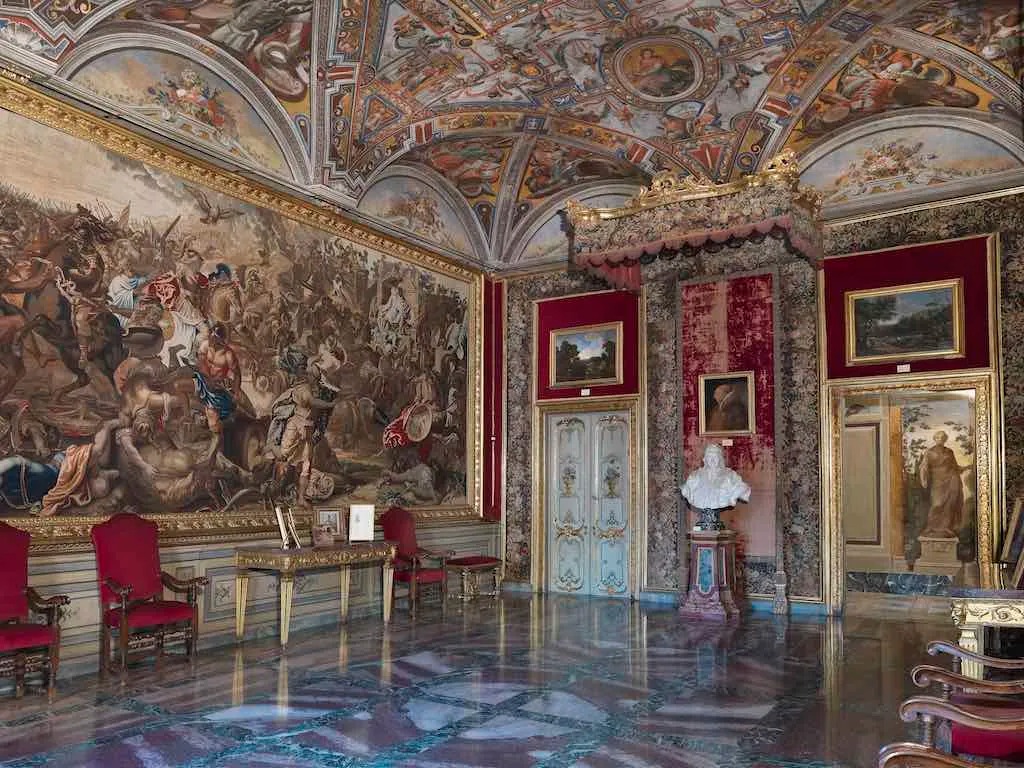
These pieces show how the Colonna family influenced not only politics but also the religious structure of Europe.
The Colonna Garden
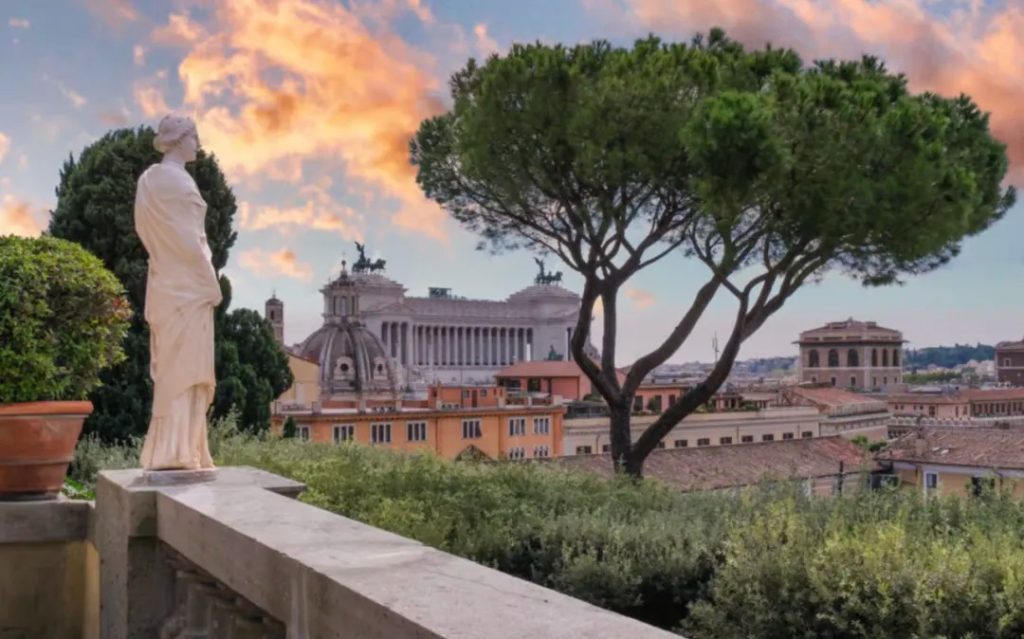
Your visit ends in a peaceful garden perched on a hillside. Built above the ruins of an ancient Roman temple, it blends history and nature in a striking way.
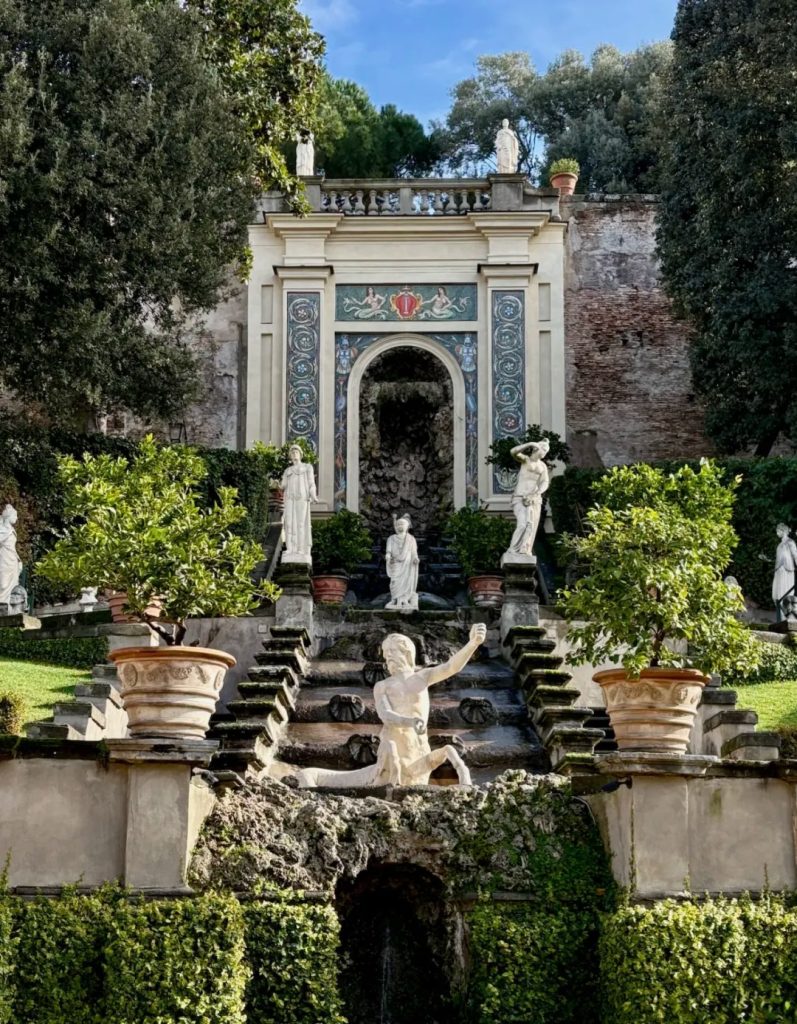
From here, you’ll enjoy panoramic views of Rome—overlooking the Quirinal Palace and, in the distance, the iconic dome of St. Peter’s Basilica.
Why This Place Is Truly Special
Palazzo Colonna offers something rare in Rome:
- A peaceful alternative to crowded landmarks
- A living palace still owned by the same family
- A blend of art, history, and deeply human stories
If you want to experience Rome beyond the usual tourist trail, this hidden palace might just become your most unforgettable stop.