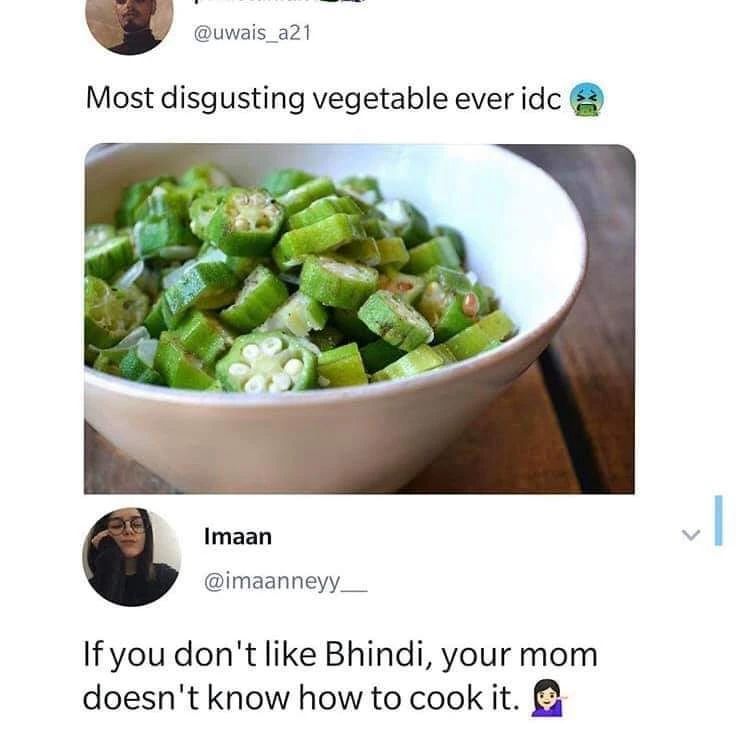








Okra, known for its soft texture, crisp bite, and slippery feel, is one of the most nutritious vegetables around. But in the Western world, this WhySome vegetables divide opinions, but few spark debates as intense as this one. Known for its slimy texture and strong flavor, this green pod has a love-it-or-hate-it reputation, especially in the West.

“It tastes like crunchy snot.”
“I’d rather eat anything but this.”
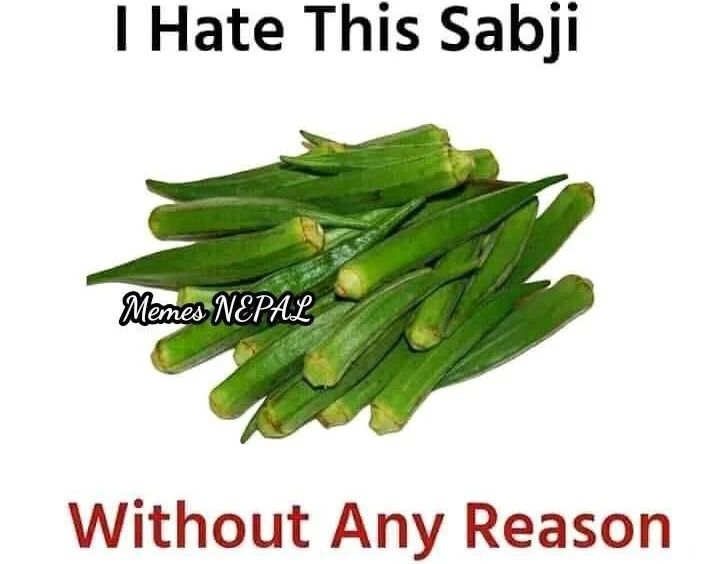
A 2020 survey ranked it among the most disliked vegetables in the U.S. and top six in Europe. In America, there’s even a joke: 
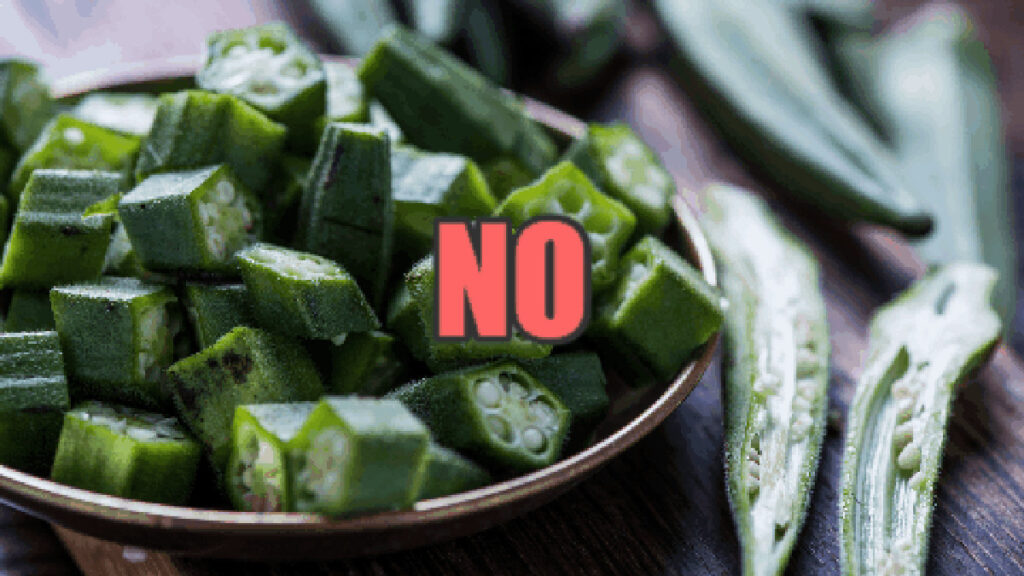
“Want someone to leave? Tell them you’re serving this for dinner.”
Why does this vegetable cause such strong reactions?
A Childhood Nightmare for Many
For many Westerners, their first encounter with this vegetable happens in school cafeterias—often against their will.
“It always shows up on the lunch tray, haunting students and athletes alike.”

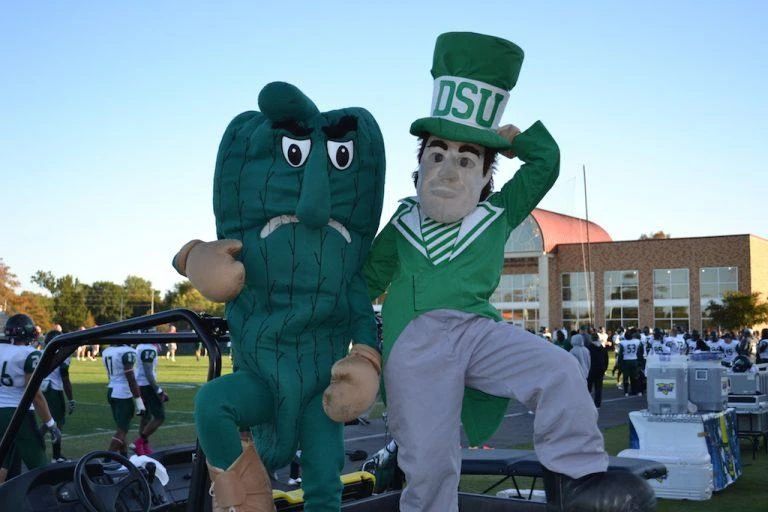
Its reputation even extends to college sports. At Delta State University, the unofficial mascot is The Fighting Okra. This odd character, designed by baseball player Shawn Doyle, was chosen because students universally despised it.

“It’s the nastiest vegetable we could think of.” – Shawn Doyle
Despite never being officially recognized, students fully embraced this boxing-glove-wearing vegetable as their symbol.
Why Do Western Chefs Avoid Cooking It?
Few people struggle with this ingredient more than top Western chefs.
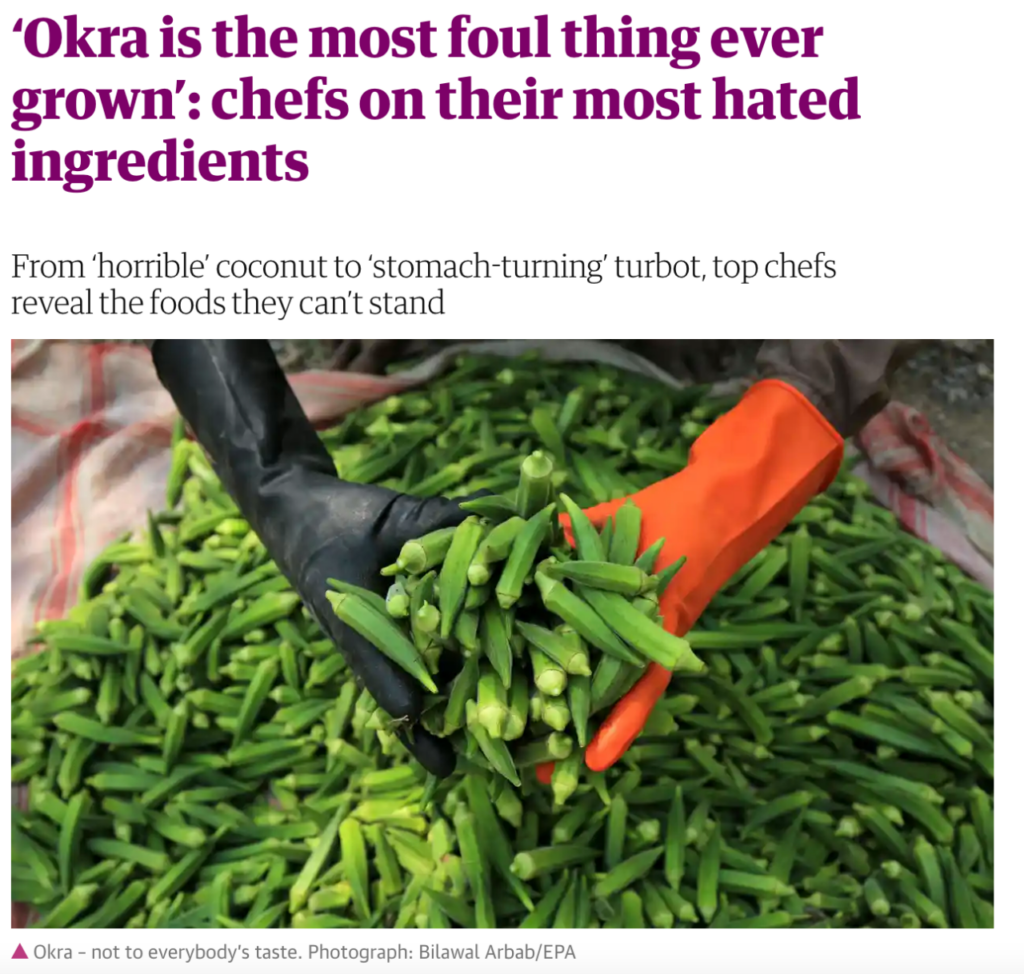
Michelin-starred chef Jason Atherton once told The Guardian:
“It’s the most difficult ingredient to cook.”
“It’s slimy, clings to everything, and has an unusual smell.”
Celebrity chef Tom Colicchio agrees. On Reddit, a heated debate erupted when a chef tried to defend this vegetable:
“Why deep-fry slime? Disgusting.”
“It’s the most unreliable ingredient ever.”
“People keep lying to us. This is NOT normal.”

Some argue that the problem is in the preparation, not the vegetable itself. But in the West, it has struggled to shake off its bad reputation.
A Complicated History in the West
Okra arrived in Louisiana in the 18th century and quickly became one of the most debated ingredients in Southern cuisine.
Some view it as an alien threat, while others say it looks unnatural—especially when sliced.

A Cultural Divide
Originally from West Africa and Ethiopia, this vegetable became stigmatized as it spread beyond Africa.
“It was born on the ‘wrong side’ of history. Rejecting it pushes these foods underground—just like Black funk music once was.”
Many middle-class families abandoned it, believing it to be “poor man’s food.” This belief still influences food preferences in parts of the West.

Making a Comeback
Despite its bad reputation, globalization is bringing this vegetable back into Western kitchens.
As writer Siddhartha Mitter noted:
🗨️ “Like it or not, African-style dishes featuring this ingredient have made their way to the U.S.”
Popular dishes include:
✔ Mokaiha (Egypt) – Basil-based stew
✔ Callaloo (Haiti) – Caribbean-style dish
✔ Mafe (West Africa) – Peanut stew

These traditional dishes are reintroducing it to families who once avoided it.
Final Thoughts: Will You Give It Another Chance?
Whether you love or hate it, one thing is certain—this vegetable is one of the most controversial in Western cuisine.
Will its health benefits help it gain wider acceptance? Or will it remain the slimy villain of global cuisine?
One thing is for sure—it isn’t going anywhere.
So… are you brave enough to give it a second chance?