




What comes to mind when you think of New York City? The Statue of Liberty? Times Square? Broadway? Wall Street? But there’s another aspect we often overlook: New York is a port city.
America is a nation of immigrants, and New York Harbor was once the country’s primary immigration gateway. Before airplanes, steamships and ports moved people. New York’s German population was so large in the 19th century that it was called “Little Germany.”
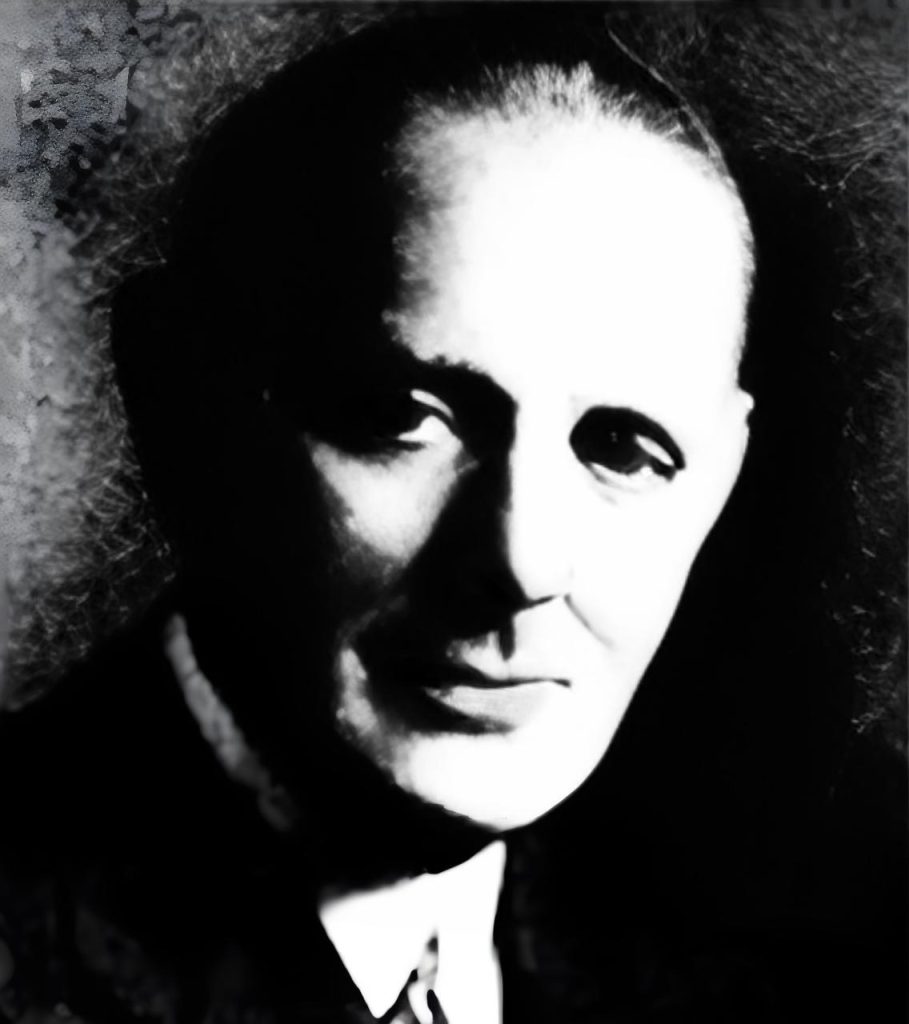
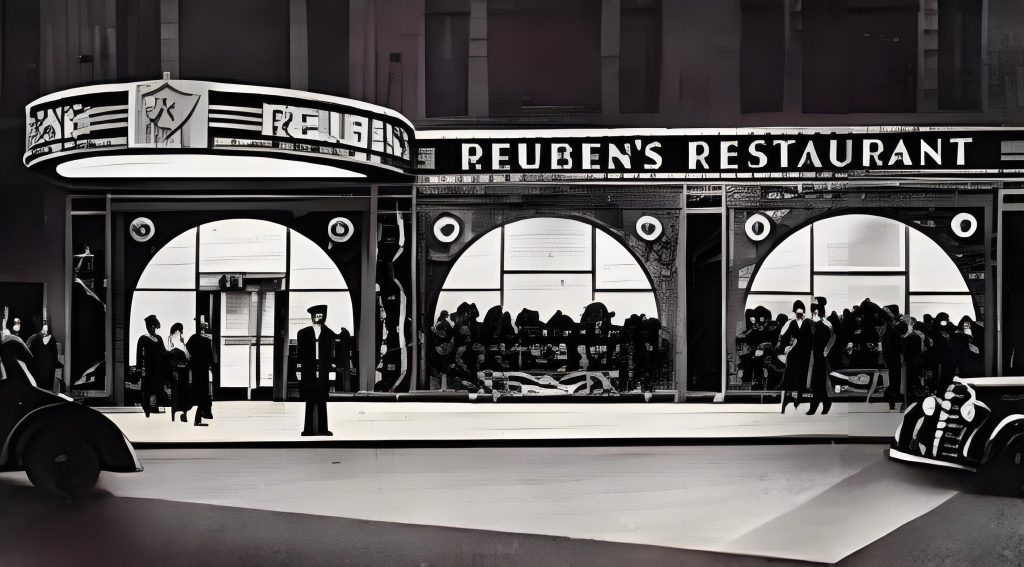
Among the many German immigrants was a young man named Arnold Reuben. He settled in New York and, following the path of German tradesmen in the city, opened a restaurant with strong Jewish deli roots: Reuben’s Restaurant. It was Reuben who combined traditional Jewish baking techniques with newly invented cream cheese to create the legendary New York Cheesecake. 
The Eureka Moment
Young Reuben was ambitious, hardworking, and sharp. In the late 1920s (generally believed to be 1928 or 1929), he attended a dinner party. There, he tasted a “cheese pie” made with cottage cheese—coarse and porous. But it sparked an idea.
Back at his deli, he immediately went to work. He replaced the cottage cheese with cream cheese, added whole eggs and cream to improve the texture. The result was dense, smooth, and velvety.
This new creation became the New York Cheesecake that would sweep across America.

The Master Networker
Reuben wasn’t just an inventor. He was a savvy restaurateur who understood leverage.
Reuben’s Restaurant used premium ingredients for its smoked and cured meats—top quality, industry-leading techniques. The food and flavor far surpassed ordinary delis.
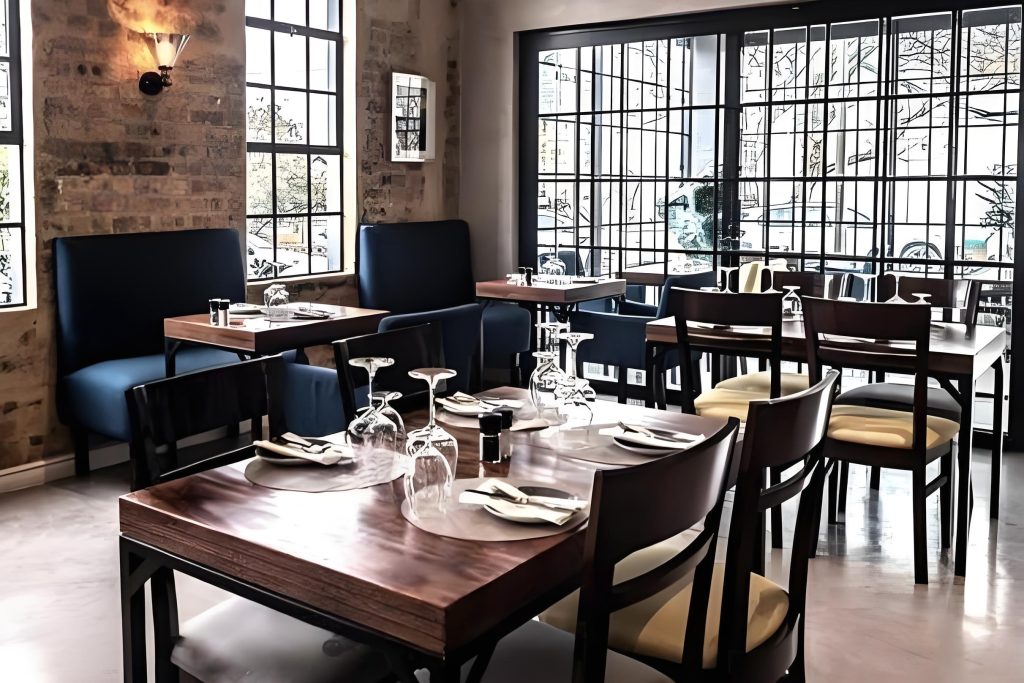
The decor was lavish: Italian marble, gold-leaf ceilings, walnut paneling paired with deep red leather seats. Luxurious and solid.
The clientele shifted from working-class Jewish immigrants to Manhattan’s social elite and Broadway stars.
The restaurant operated 24/7 and had private rooms. It became a refuge for playwrights, actors, and even those in legal gray areas. Reuben wasn’t just a restaurant owner. He was a social architect, a fixer, a bridge between power and fame.
If a star wanted to meet a director or another celebrity, Reuben arranged seating. Need help with trouble? He often sheltered celebrities facing gambling debts, marital issues, or legal problems after midnight. For many Broadway actors and night owls, Reuben was not just a boss but a protector.
Reuben’s ability to navigate both sides of the law, to connect with officials, turned his restaurant into a gathering place for the elite, an information hub, and the lifeblood of his business.
The Pinnacle of Glory
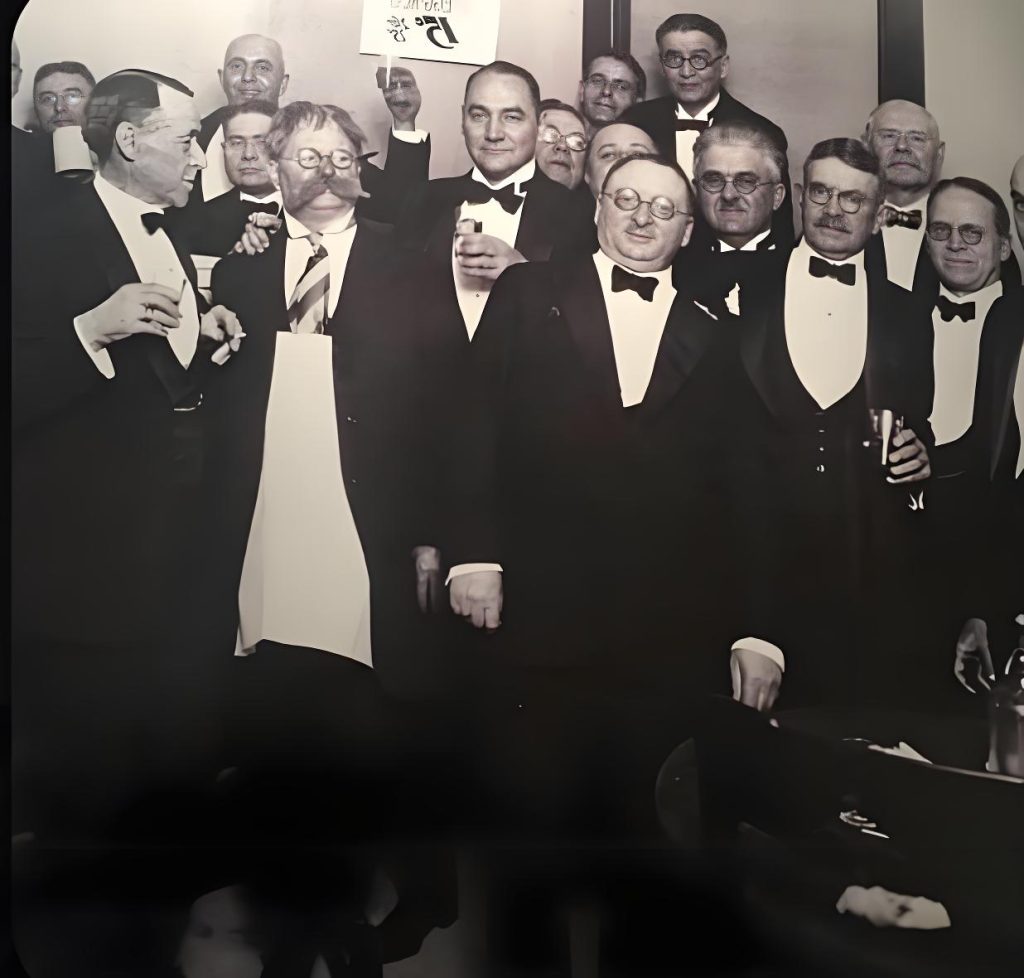
Reuben’s Restaurant opened in 1908 and moved several times. In 1935, it relocated to between Fifth and Madison Avenues. This was the restaurant’s golden era. On March 28, 1935, the grand opening ceremony was officiated by none other than New York Mayor Fiorello La Guardia.
That’s how influential Reuben’s had become.
As the restaurant’s reputation peaked, its star product—the New York Cheesecake—spread across the city and the entire country through the word of mouth of politicians and celebrities.
The Worthy Rival: Lindy’s Restaurant
If heroes are lonely, Arnold Reuben had no reason to be. He had a fierce competitor: Leo Lindemann, the creator of another New York dining institution—Lindy’s Restaurant.
Leo Lindemann was also a Jewish immigrant from Europe. Like all first-generation immigrants, he worked his way up from the bottom, trying various jobs before opening his restaurant.
August 20, 1921, was a turning point for Leo and his wife Clara. They poured their life savings into founding Lindy’s Restaurant.
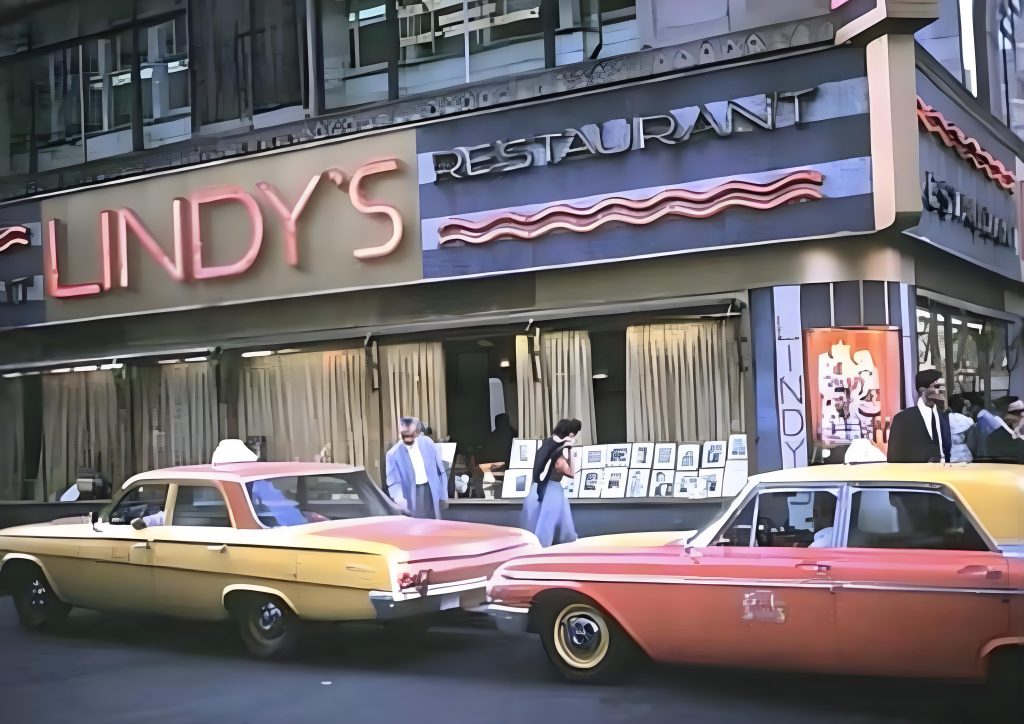
Leo was meticulous, hardworking, and obsessed with details. He had an almost fanatical standard for food quality. His dedication paid off. Lindy’s business took off quickly. By 1929, they opened a larger location at 1655 Broadway.
The Rivalry Intensifies
Like Reuben, Lindemann was both a perfectionist and a marketing genius. The first thing he did (of course) was create his own New York Cheesecake.
Legend has it that Lindemann, determined to crush the competition, poached Reuben’s head pastry chef, Paul Heghi. The “corporate espionage” story is hard to verify, but it reflects the fierce battle between the two delis—a competition that directly pushed the cheesecake to perfection.
The cheesecakes had deep connections but took distinct paths:
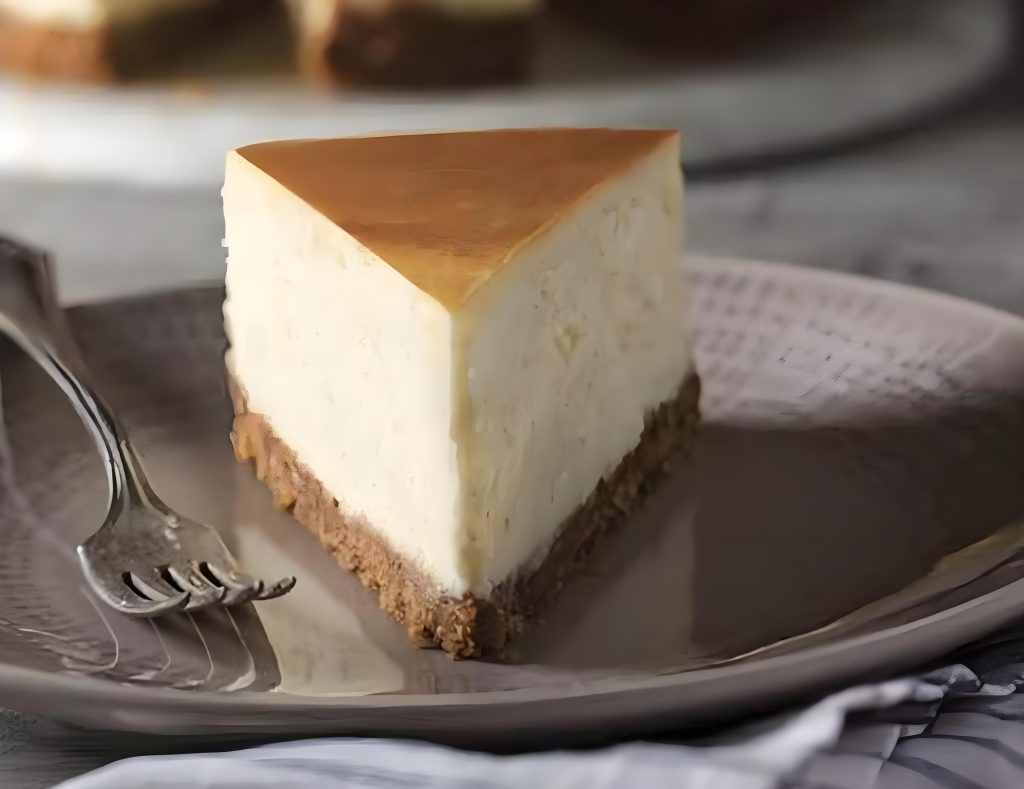
- Reuben’s emphasized its heritage as the originator. Dense, smooth, unpretentious on the outside, extraordinary within.
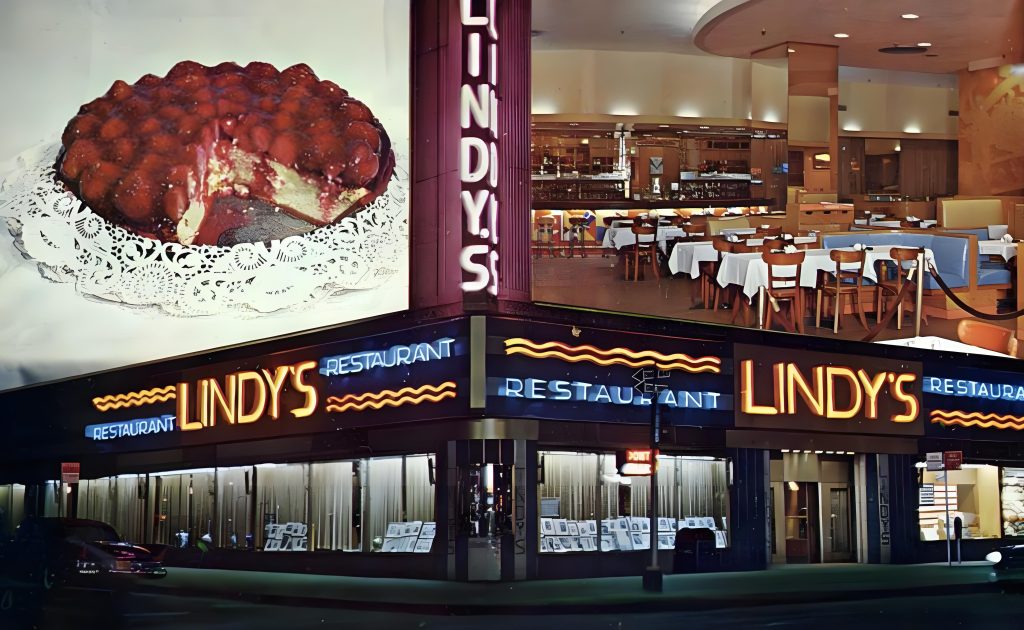
- Lindy’s chose innovation. It used a distinctive cookie-like crust—more like a shortbread base. The cheesecake layer incorporated lemon and orange zest, adding a double citrus brightness that lightened the rich cream cheese. Lindy’s adjusted fat and sugar ratios to make it silkier and more distinctive.
Lindy’s signature touch? A strawberry jelly topping. Not only did it dramatically improve visual appeal, but the fruit’s sweet-tartness balanced the richness of the cream cheese.
The Celebrity Playbook
Why did Lindy’s cheesecake ascend from “ordinary dessert” to “New York icon”? The answer: deep ties to Broadway.
Lindy’s sat in the heart of Broadway. It was a gathering spot for actors, playwrights, and gamblers. Author Damon Runyon wrote Lindy’s cheesecake into popular phrases, framing it as an elite, mysterious, must-have social experience.
Later, the Broadway musical Guys and Dolls featured characters discussing “Lindy’s cheesecake,” cementing its cultural status worldwide.
Two Men, Two Strategies
Though their target customers overlapped, Reuben and Lindemann handled celebrity relationships very differently.
- Reuben was a backroom operator. He personally arranged seating to connect people, offering private favors that built fierce loyalty. He was a protector and fixer, operating in the shadows.
- Lindemann took a professional PR approach. He understood publicity. He made sure celebrities sat in the most visible spots, turning his restaurant into a stage for their vanity. He partnered with columnists and controlled media narratives, making Lindy’s the place to be seen. Stars could promote themselves, satisfy their need for attention, and call it “public socializing.”
The Final Curtain
In 1957, Leo Lindemann died. Lindy’s began a slow decline under family management.
Arnold Reuben, his lifelong rival, also aged and could no longer sustain his business. By the mid-1960s, he stepped away. Without its soul, the original business model couldn’t survive the intense competition.
Reuben and Lindemann were heroes of a grittier, more ambitious era. They embodied the struggle and spirit of countless ordinary people. Generations pass. Their era ended.
But younger generations play by new rules. The old waves may eventually hit the beach, but their glory and spirit remain. New York Cheesecake is still popular.
Every era has its own mission. Here’s to the pioneers of every age.