








Astronaut suddenly loses speech aboard ISS, forcing NASA to end mission early in a rare and unexplained medical emergency.On January 14 this year, NASA launched an emergency return for its Commercial Crew Program mission Crew 11. The spacecraft splashed down successfully near the California coast the following day, almost a month earlier than originally planned.
The reason for this unexpected return was both alarming and unprecedented. One astronaut suddenly lost the ability to speak without warning. The incident marked the first time in over six decades of human spaceflight that a mission had to be aborted due to a medical emergency.
A Veteran Astronaut Faces an Unexplainable Crisis
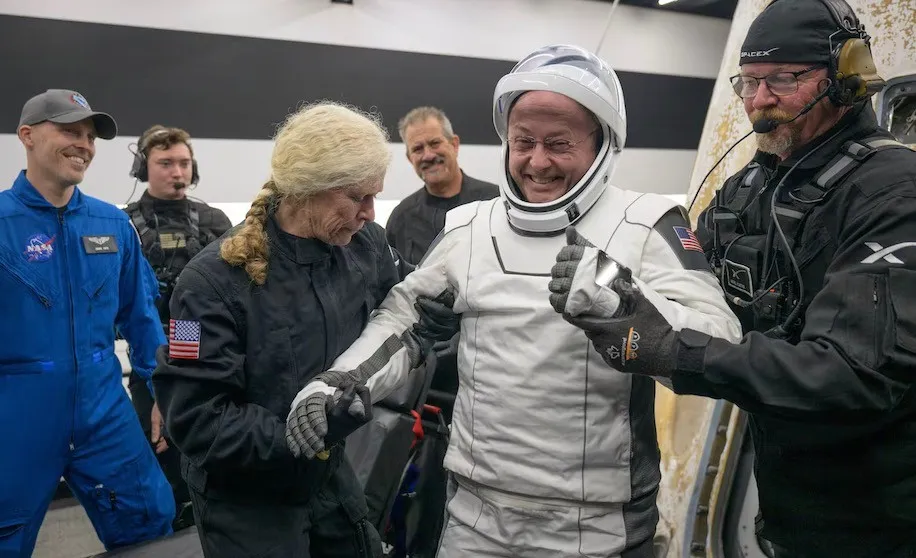
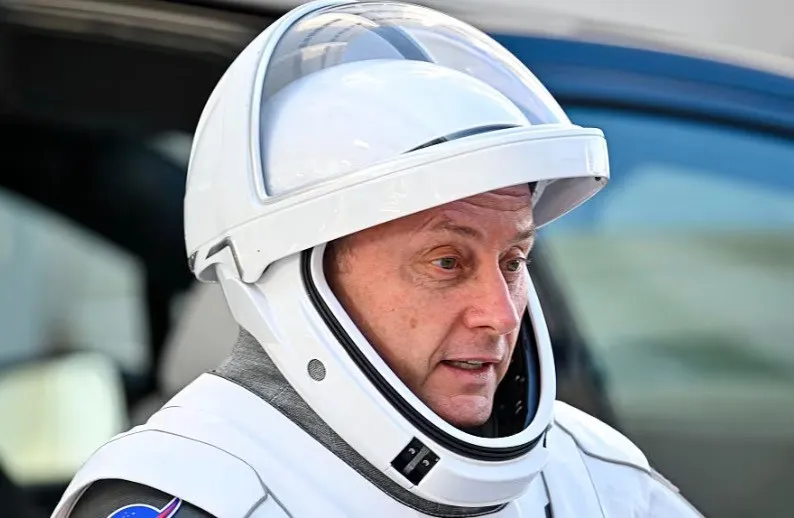
The astronaut involved was Mike Fincke, a retired Air Force colonel who later became a seasoned space traveler. Before this mission, he had already spent more than 400 days in space, making him highly experienced and physically resilient. 
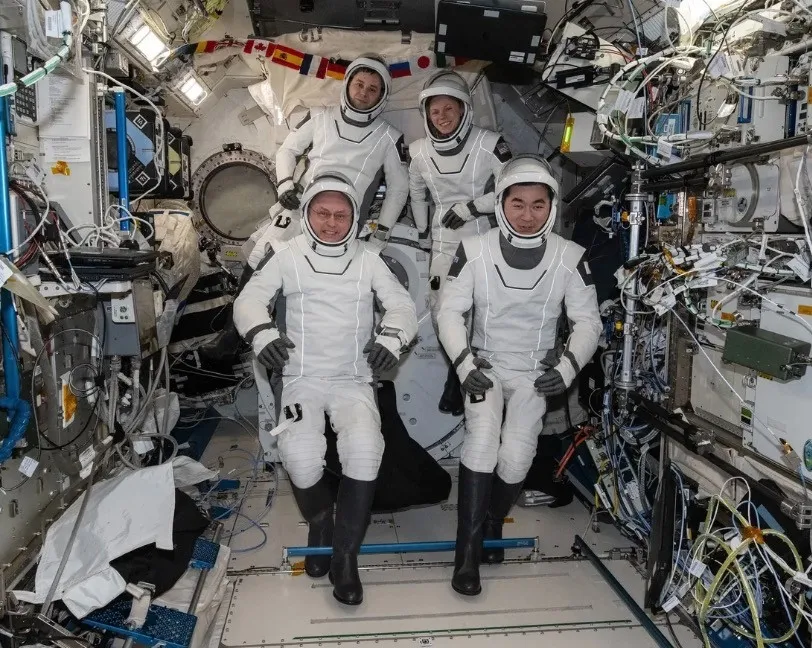
On August 1 the previous year, a SpaceX Falcon 9 rocket carried the Crew Dragon spacecraft into orbit, delivering the Crew 11 team to the International Space Station. The crew consisted of four members, including Fincke, NASA astronaut Zena Cardman, Japan Aerospace Exploration Agency astronaut Kimiya Yui, and Russian cosmonaut Oleg Platonov.
The mission was scheduled to last six months. During that time, the team conducted a range of microgravity experiments and scientific research. These efforts were intended to support future exploration goals, including missions to the Moon and Mars.
The Moment Everything Changed
For the first half of the mission, everything proceeded smoothly. Then, on January 7, something completely unexpected happened.
Fincke had just finished preparing for a planned spacewalk the next day. As usual, he sat down to eat dinner. Suddenly, he realized he could no longer speak.
There was no pain. There were no other symptoms. He remained fully conscious and alert. However, no words would come out. It was as if his voice had been switched off or his brain had momentarily disconnected from his speech.
His crewmates immediately noticed something was wrong. They rushed to assist him. One supported his body while another contacted medical teams on the ground. Within seconds, the entire crew was focused on helping him.
Fincke later recalled how quickly everything unfolded. The situation escalated in mere moments, and everyone reacted with urgency and precision.
A Temporary Recovery but Lingering Mystery
Fortunately, the condition did not last long. After about twenty minutes, Fincke gradually regained his ability to speak. Although he recovered, the experience left him deeply puzzled.
The International Space Station is equipped with medical supplies and diagnostic tools. Minor injuries such as cuts and abrasions can be treated onboard. Astronauts can even perform basic procedures like dental extractions and ultrasound scans.
However, after evaluating the situation, NASA’s ground medical team determined that the incident was serious enough to justify ending the mission early. The exact cause was unknown, and the risk to the astronaut and the crew could not be ignored.
An Unprecedented Decision in Spaceflight History

NASA made the decision to terminate the mission immediately. The Crew 11 team was ordered to leave the space station and return to Earth ahead of schedule.
This marked the first evacuation from the International Space Station due to a health-related emergency.
On January 15, after landing, Fincke was taken straight to a hospital for a full medical evaluation. Doctors ruled out conditions such as heart attack and suffocation. However, they could not determine a definitive cause for his temporary loss of speech.
The only working hypothesis is that the episode may be linked to prolonged exposure to microgravity. Fincke had accumulated a total of 549 days in space, which may have contributed to unusual physiological effects.
The Hidden Risks of Life in Microgravity

Life in a microgravity environment can lead to a variety of physical changes. Astronauts often experience space adaptation syndrome, blurred vision, blood clots, and nerve compression.
Yet, a sudden and temporary inability to speak has never been recorded before in human spaceflight history.
The investigation into Fincke’s condition is still ongoing. For now, the incident remains a mystery, highlighting how much we still have to learn about the human body in space.